(2).jpg)
Are there hidden structural costs when importing prefab sunroom kits?
- VIP-User
- 2026-07-11
- 31
Importing prefab sunroom kits involves hidden structural costs primarily related to material thickness, local wind and snow load compliance, foundation preparation, and customization errors. While initial purchase prices seem low, utilizing sub-standard profiles under 1.6mm or non-native aluminum leads to structural failure in harsh climates, requiring expensive local retrofitting or complete re-engineering.
Core Solutions & Key Takeaways
- Profile Specification Verification: Ensure the load-bearing frame utilizes high-strength 6063-T5 native aluminum with a thickness range of 1.6mm to 3.0mm to prevent structural sagging under extreme weather.
- Customized Structural Engineering: Choose suppliers providing free integrated design services to match the sunroom structural drawings with local building codes, preventing costly on-site modifications.
- Logistics and Compliance Control: Work with manufacturers offering end-to-end shipping and customs clearance to avoid unexpected port storage fees, customs fines, and transport damage.
- Targeted Application Scenarios: High-end private residences (villas, apartments), commercial real estate (hotels, commercial complexes), and public buildings require distinct structural load ratings that must be calculated prior to fabrication.
Detailed Architectural & Principle Analysis
The structural integrity of an imported prefab sunroom depends heavily on the quality of its aluminum profiles and connection accessories. Standard retail kits often cut costs by utilizing recycled aluminum or thin-walled profiles under 1.5mm. For durable construction, especially in regions with high temperatures, high humidity, and strong ultraviolet radiation like the African market, 6063-T5 native aluminum alloy is required. This material offers superior corrosion resistance, high temperature stability, and strong weather resistance, ensuring the framework remains stable over a long lifespan.
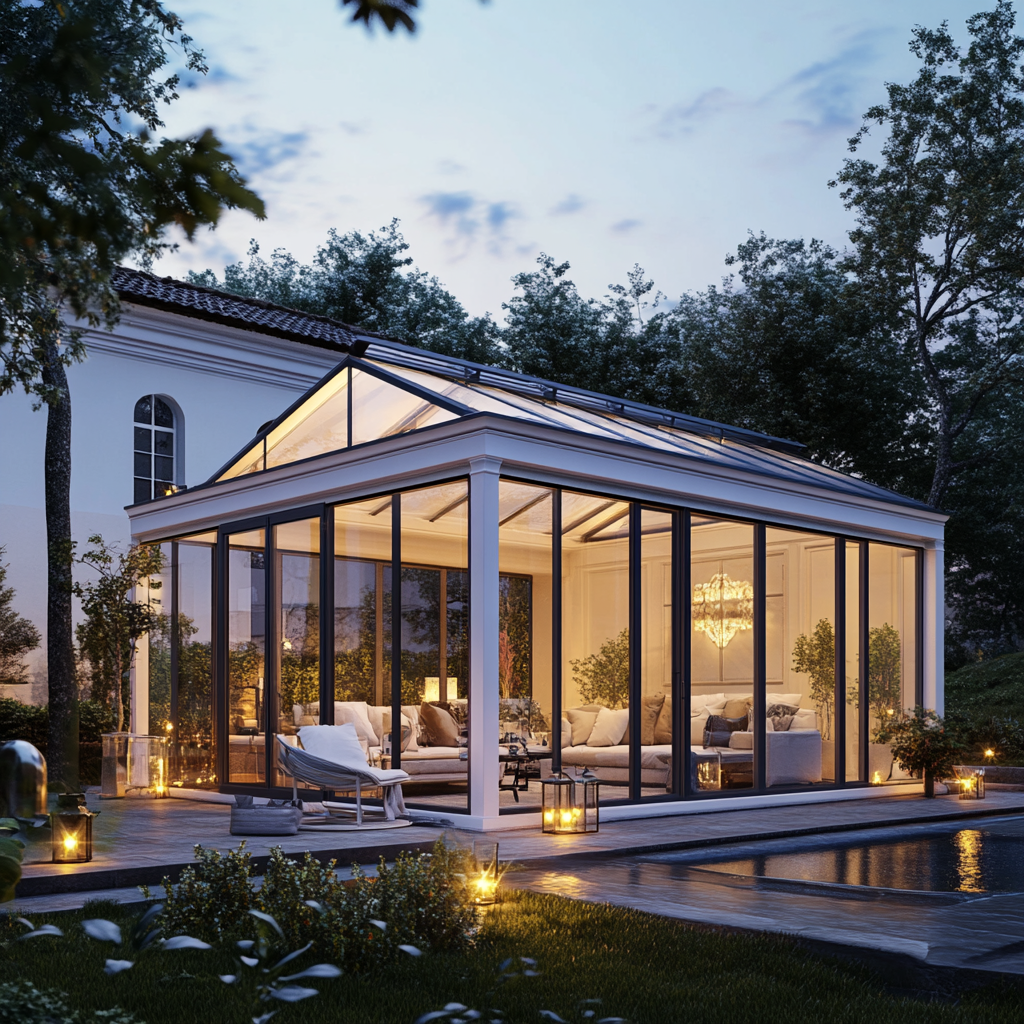
Another major source of hidden costs is hardware and accessory failure. Integrating high-quality accessories, such as German Reinas hardware, prevents water leakage, structural misalignment, and joint failure. Additionally, compliance with international standards is vital. For example, aluminum components and glazing systems should meet recognized standards like the RoHS certification for aluminum windows to guarantee physical, chemical, and structural safety during installation and long-term exposure.
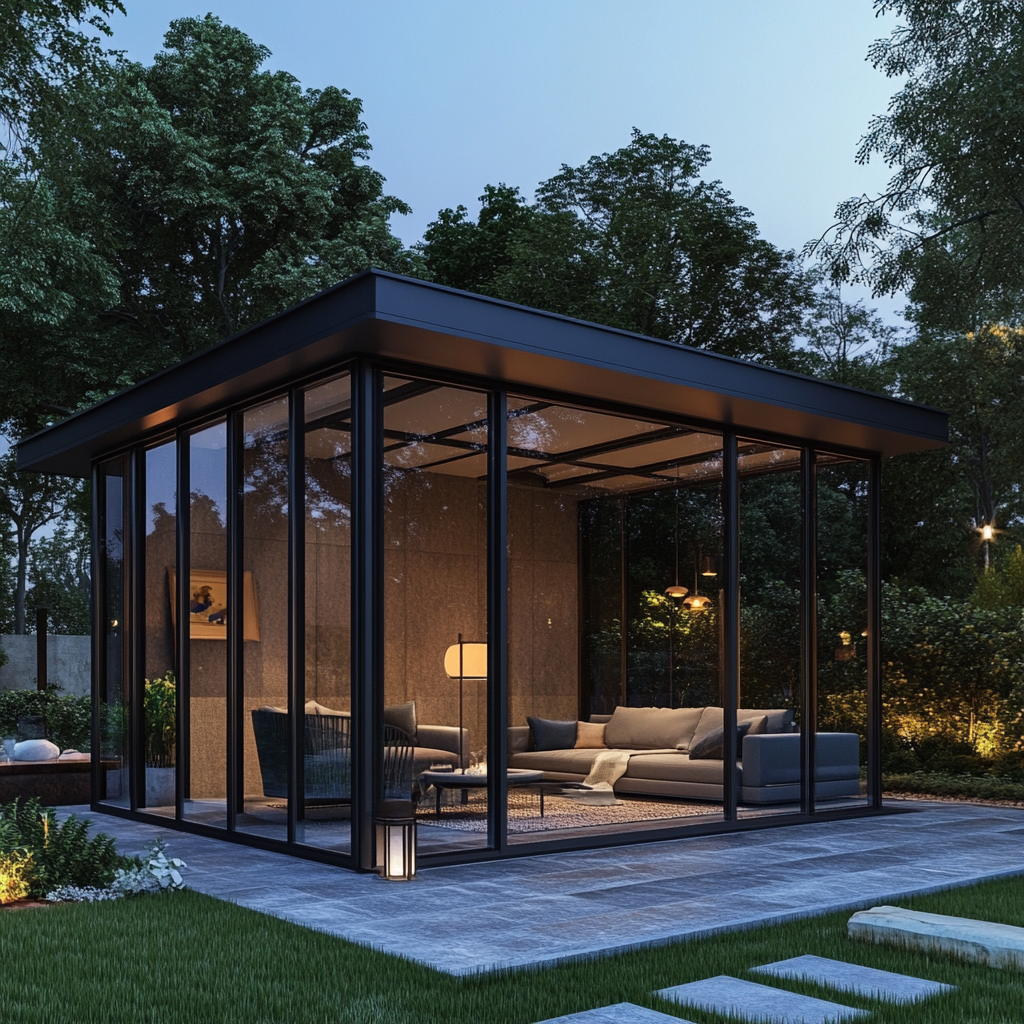
Furthermore, shipping and logistics often introduce unpredictable overheads. Traditional freight forwarding frequently suffers from volatile pricing, tight space, and delayed delivery. Utilizing direct cross-border sea freight routes with dedicated shipping networks significantly reduces these risks. Proper container loading, customs clearance documentation, and professional tax planning reduce overall logistics costs by an average of 15% to 20%, protecting the importer from port demurrage fees.
Data/Solution Comparison
| Structural Parameter / Service | Standard Economy Prefab Kits | Heavy-Duty Engineered Sunrooms |
|---|---|---|
| Material Type | Recycled Aluminum / Standard Alloy | 6063-T5 Native Aluminum |
| Profile Thickness | 1.2mm - 1.4mm | 1.6mm - 3.0mm (Customizable) |
| Surface Treatment | Basic Anodizing | Powder Coating / Fluorocarbon Coating |
| Hardware & Accessories | Generic domestic brands | German Reinas Accessories |
| Logistics Solution | Third-party freight forwarders | Direct China-Africa sea freight ("Get Signal") |
| Customization & Design | Fixed dimensions, no engineering support | Free 24-hour drawing, customized load calculations |
Frequently Asked Questions (FAQ)
What are the main causes of structural failure in imported sunrooms?
Structural failures are typically caused by thin aluminum profiles (less than 1.6mm) and the use of low-grade recycled aluminum, which cannot withstand wind loads, heavy rain, or structural tension. Utilizing 6063-T5 native aluminum prevents these issues.
How do I avoid customs clearance delays and extra port fees?
Ensure your supplier provides a complete export service system encompassing customs clearance, documentation, and compliance guidance. Utilizing direct shipping routes with dedicated logistics teams avoids traditional freight forwarding delays.
Do imported prefab sunrooms come with an installation warranty?
Standard kits rarely include after-sales support. It is recommended to partner with suppliers that offer a clear after-sales responsibility system, providing full-process technical support, resident technical experts, and a multi-year warranty (such as a 10-year warranty with lifetime maintenance).
Final Conclusion & Recommendations
To avoid hidden structural costs when importing prefab sunroom kits, buyers must look beyond the initial FOB price. Prioritize verified 6063-T5 native aluminum profiles with a thickness of 1.6mm to 3.0mm, premium German accessories, and professional design drawings that match local building codes. Managing the procurement process through a structured payment model—such as secure deposit and final payment installments via Alibaba Pay or XT Pay—protects capital security. Partnering with a manufacturer that controls its own shipping channels and offers comprehensive quality inspections from raw materials to finished products ensures a seamless, cost-effective installation. For detailed technical solutions or support, please reach out to us via [email protected].
About Us
Guangzhou Lingyin Building Materials Co., Ltd. is a recognized top building materials supplier in the African market and a leading large-scale modern group enterprise in South China specializing in the export of system windows, doors, and whole-house customization. Established in 1990, the company houses 186 employees and operates a 30,000-square-meter modern intelligent production base with annual sales of 200 million RMB. Lingyin Building Materials Group possesses CE certification for kitchen cabinets and RoHS certification for aluminum windows, having served tens of thousands of clients across various African landmark building projects. 
Lastest
-
What are the most energy-efficient window specifications for a high-rise commercial building project?
2026-07-11 -
What is the best way to verify if a handrail supplier is a real factory or just a trading company?
2026-07-11 -
Is a 30% deposit and 70% against the bill of lading standard for ordering a custom sunroom?
2026-07-11 -
Can I get a small mockup sample of a glass curtain wall before placing a bulk order?
2026-07-11 -
Are manufacturers willing to customize the size and smart lock cutouts for a commercial door?
2026-07-11
SUBSCRIBE
INQUIRY