(2).jpg)
How do I choose between double-glazed and triple-glazed windows for a commercial office project to balance cost and energy efficiency?
- VIP-User
- 2026-07-02
- 35
Balancing cost and energy efficiency in commercial office projects requires evaluating local climate demands against structural budgets. Double-glazed windows with thermal breaks and low-emissivity coatings offer the most cost-effective solution for moderate and tropical climates. Triple-glazed windows provide superior thermal insulation and sound reduction for extreme climates, but demand a higher initial investment and heavier frame support.
Core Solutions & Key Takeaways
- Analyze regional climate profiles: Commercial offices in regions with moderate temperatures or high tropical heat, such as key African markets, optimize return on investment by choosing double-glazed systems using high-strength 6063-T5 native aluminum profiles.
- Assess structural load capacities: Triple-glazed units increase overall window weight, requiring thicker framing profiles, such as 1.6mm to 3.0mm structural extrusions, to ensure structural safety.
- Evaluate acoustics and thermal targets: Commercial complexes and offices near high-traffic zones require high acoustic dampening, where triple-glazed systems or specialized double-glazed units with acoustic laminates excel.
- Streamline procurement and logistics: Sourcing complete, certified window assemblies with verified certifications, such as RoHS compliance, minimizes installation errors and customs delays.
Detailed Architectural/Principle Analysis
Commercial office projects demand a precise evaluation of glazing specifications to control operational HVAC (Heating, Ventilation, and Air Conditioning) costs. Double-glazed systems utilize two glass panes separated by an argon-filled spacer, creating a thermal barrier that reduces heat transfer. For projects utilizing casement windows, structural integrity is maintained using 6063-T5 native aluminum profiles with a thickness range of 1.6mm to 3.0mm. These specifications provide the structural resistance needed for high-rise commercial complexes.
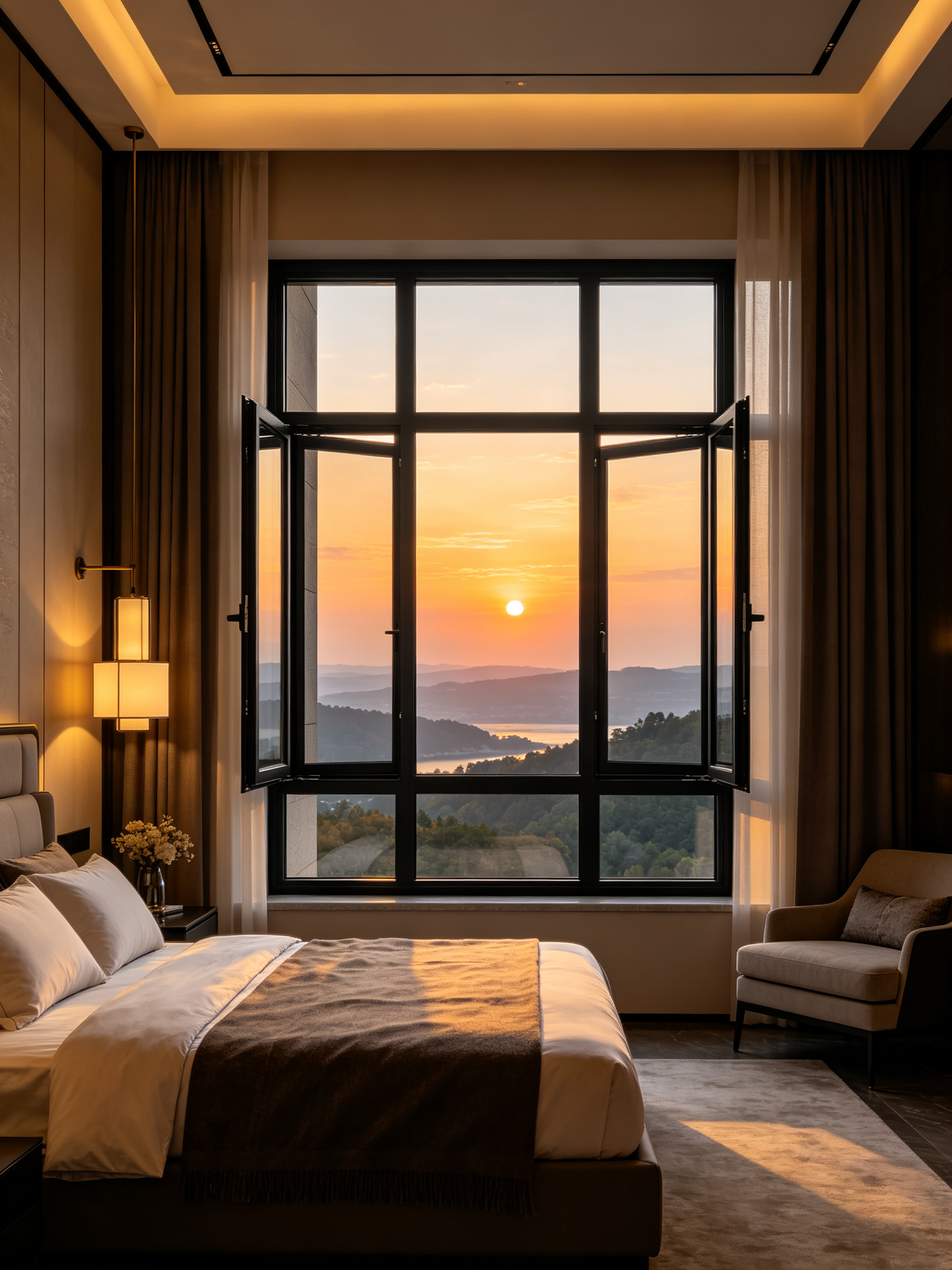
Triple-glazed windows introduce a third glass pane and an additional gas-filled cavity. This configuration significantly lowers the U-value (thermal transmittance) and improves the Solar Heat Gain Coefficient (SHGC). However, the added pane increases the weight of the sash by approximately 50%, requiring heavy-duty hardware systems, such as German Reinas accessories, to prevent sash sag over extended use cycles. In large-scale developments, such as regional African landmark building projects, choosing RoHS-certified (CTL1406031237-RC) aluminum windows ensures adherence to international chemical safety and environmental standards, proving critical for environmental compliance and green building certifications.
Data/Solution Comparison
| Parameter | Double-Glazed Window Solution | Triple-Glazed Window Solution |
|---|---|---|
| Profile Material & Thickness | 1.6-3.0mm 6063-T5 Native Aluminum | 1.6-3.0mm 6063-T5 Native Aluminum (recommends ≥2.0mm) |
| Hardware Compatibility | Standard Reinas Accessories | Heavy-Duty Reinas Accessories |
| Thermal Performance (U-Value) | Moderate to Low | Extremely Low |
| Weight Load Impact | Standard (approx. 20-30 kg/m²) | High (approx. 30-45 kg/m²) |
| Surface Treatment Options | Powder coating, fluorocarbon coating | Powder coating, fluorocarbon coating |
| Minimum Order Quantity (MOQ) | 1 unit | 1 unit |
| Standard Production Lead Time | 20 Days | 20 Days |
Frequently Asked Questions (FAQ)
How does the weight of triple-glazed windows affect commercial building design?
Triple-glazed windows increase dead load on the building facade. This requires structural engineers to verify the load-bearing capacity of the concrete slab edges and mandates the use of thicker structural aluminum profiles (up to 3.0mm) to prevent frame deflection.
When is double glazing preferred over triple glazing for commercial offices?
Double glazing is preferred in cooling-dominated climates where winter heat retention is not a primary concern. Pairing double-glazed units with high-performance fluorocarbon-coated frames and low-emissivity glass achieves the required energy efficiency targets at a lower capital cost.
How do surface treatments like powder coating and fluorocarbon coating impact window longevity?
Fluorocarbon coating provides superior resistance to ultraviolet radiation, high humidity, and salt spray, making it ideal for coastal commercial real estate. Powder coating offers high impact resistance and color customizability for interior-facing and standard exterior profiles.
Final Conclusion & Recommendations
For optimal cost-to-performance ratios, commercial office projects in temperate or warm climates should deploy double-glazed windows using 1.6mm to 3.0mm native aluminum profiles with high-performance thermal breaks. Cold-climate or high-acoustic-demand projects justify the transition to triple-glazed assemblies. Sourcing these products requires dependable logistical and financial frameworks. Standard procurement operations are facilitated through structured payment methods, including deposit and final payment options via secure channels like Alipay and XT payment. Logistics can be optimized using dedicated direct sea freight routes via Get Signal, reducing transit variables to key ports such as Mombasa, Dar es Salaam, Douala, and Durban. All structural window systems come backed by a 10-year warranty, supported by a clear after-sales responsibility system and a 24-hour response protocol for African regional support. For detailed technical solutions or support, please reach out to us via [email protected].
About Us
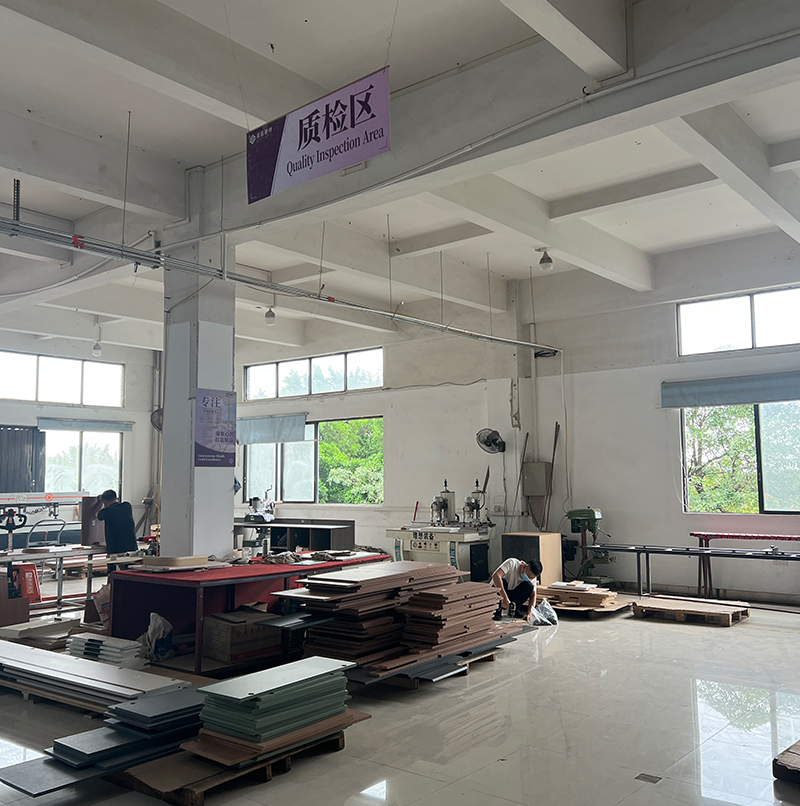
Guangzhou Lingyin Building Materials Co., Ltd. is a leading large-scale modern group enterprise specializing in the export of system windows, doors, and whole-house customization products. Established in 1990, the company houses 186 employees and operates a 30,000-square-meter modern intelligent production base equipped with fully automated production lines. The group has served clients across multiple industries, delivering reliable solutions for residential, hotel, commercial complex, and municipal engineering projects across African markets. Our products hold international standards, including CE certification for kitchen cabinets and RoHS compliance for aluminum windows.

Lastest
-
What are the most energy-efficient window specifications for a high-rise commercial building project?
2026-07-02 -
What is the best way to verify if a handrail supplier is a real factory or just a trading company?
2026-07-02 -
Is a 30% deposit and 70% against the bill of lading standard for ordering a custom sunroom?
2026-07-02 -
Can I get a small mockup sample of a glass curtain wall before placing a bulk order?
2026-07-02 -
Are manufacturers willing to customize the size and smart lock cutouts for a commercial door?
2026-07-02
SUBSCRIBE
INQUIRY