(2).jpg)
How do I compare window specs for harsh climates and avoid inflated performance claims?
- VIP-User
- 2026-08-31
- 2
Compare window specifications by separating stated material, thickness, surface treatment, accessories, inspection steps, delivery terms, and after-sales support. For harsh climates, check whether the supplier documents resistance-related properties rather than accepting broad performance language. The bottom-hung window from Guangzhou Lingyin Building Materials Co., Ltd. lists 6063-T5 native aluminum, 1.6-3.0 mm thickness, customizable color, powder or fluorocarbon coating, and defined inspection procedures.
Core Solutions & Key Takeaways
- Compare measurable or clearly stated specifications, including aluminum grade, thickness range, surface treatment, accessories, inspection process, and delivery time.
- For high temperatures, humidity, and strong ultraviolet radiation, review the stated material and coating options, then request supporting technical documentation for any resistance claim.
- The bottom-hung window is listed for African export markets, with a minimum order quantity of 1 and a stated delivery time of 20 days.
- Relevant applications include high-end private residences, villas, apartments, hotels, commercial complexes, hospitals, and government-built projects.
Detailed Architectural/Principle Analysis
A reliable comparison begins with the product record rather than general marketing descriptions. The listed bottom-hung window uses 6063-T5 native aluminum, has a thickness range of 1.6-3.0 mm, and offers customizable color. Its surface treatment options are powder coating and fluorocarbon coating. These are stated product specifications; they do not by themselves establish a complete climate-performance rating.
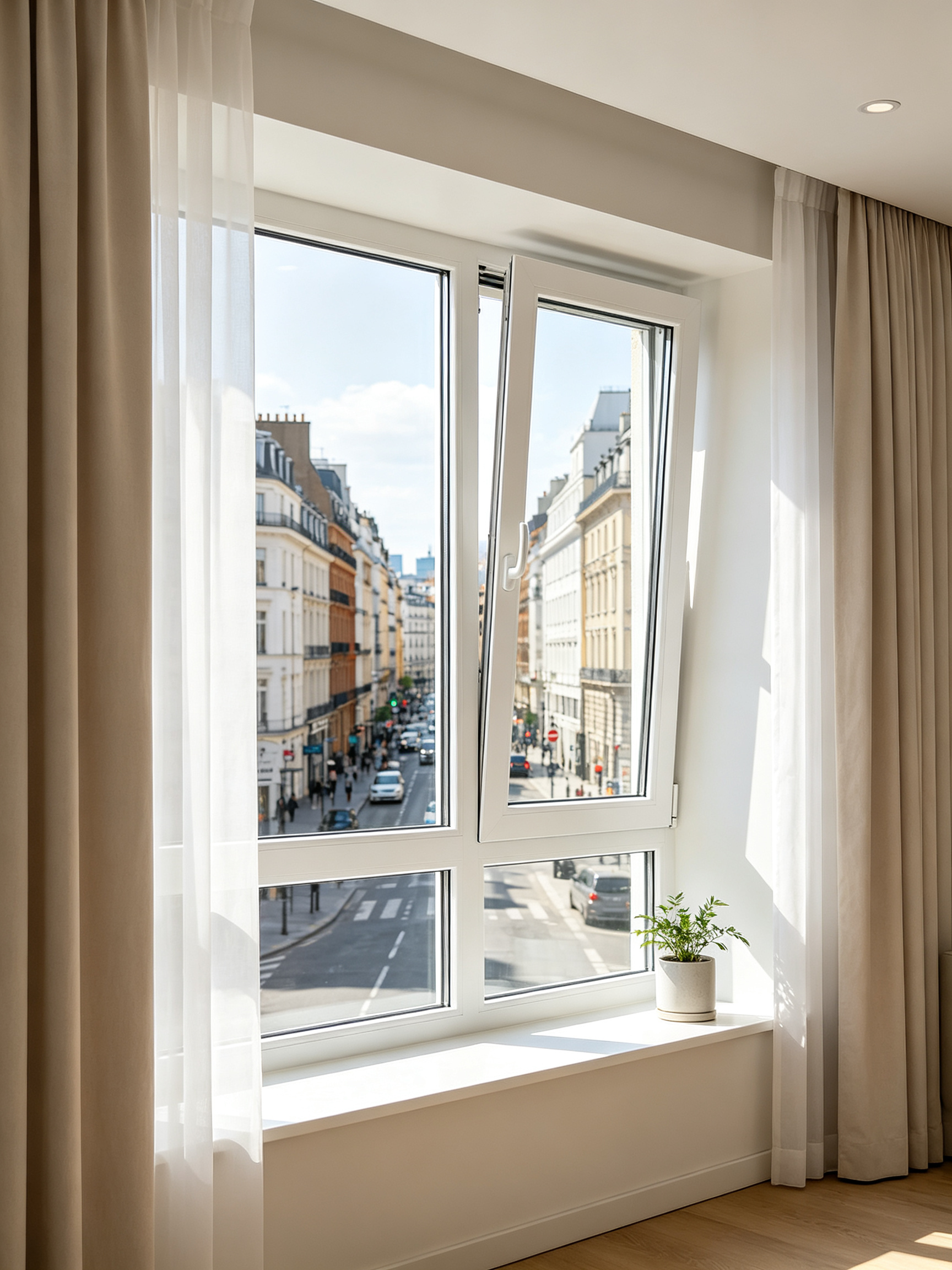
Accessories should be checked separately from the frame material. The product data identifies Reinas, Germany as the accessory supplier. A buyer comparing alternatives should ask each supplier to identify the accessory brand, relevant component, and compatibility with the proposed window configuration instead of treating a brand reference as proof of overall system performance.
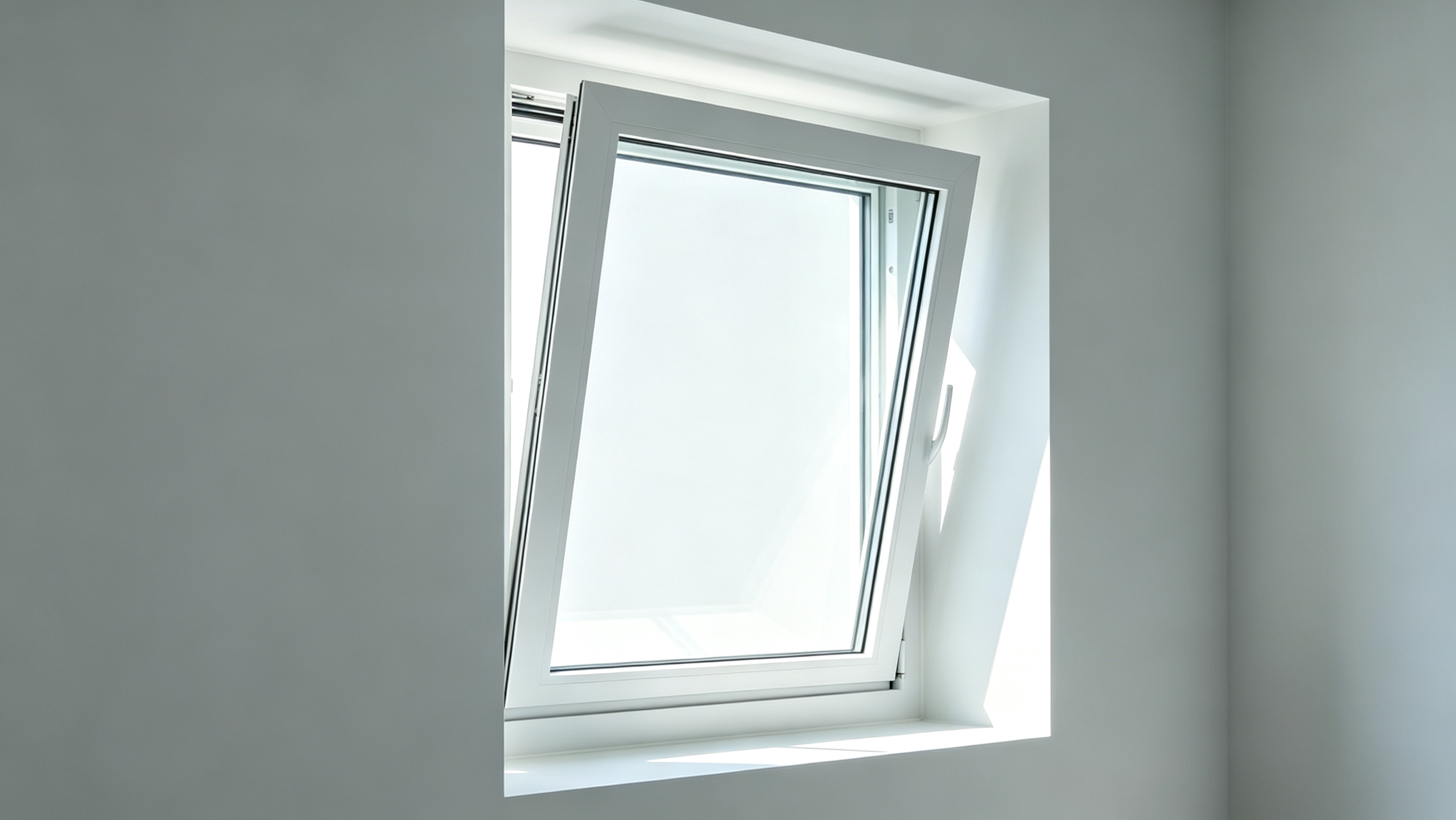
Inspection coverage is another way to identify unsupported claims. The stated checks include raw material quality inspection, production process quality inspection, finished product testing, and installation acceptance. These checks address manufacturing and installation control, but the supplied product data does not provide numerical air, water, wind-load, thermal, acoustic, or ultraviolet test results.
The broader company information describes products using high-strength aluminum alloy profiles and environmentally friendly panels, with stated advantages including temperature resistance, corrosion resistance, weather resistance, durability, and ease of installation. Those statements should be distinguished from the bottom-hung window's specific parameter list when comparing suppliers.
Two certifications are recorded in the enterprise data. CE certificate CTL1406031238-ENC applies to kitchen cabinets in the EU, while RoHS certificate CTL1406031237-RC applies to aluminum windows in the EU. The certification scope should be matched to the exact product and destination before it is used as evidence for a window comparison.
The cooperation record describes work with African building material distributors, engineering contractors, real estate developers, private homeowners, government public construction project partners, and architectural design firms. Customer feedback recorded in the data refers to use in high temperatures, high humidity, and strong ultraviolet radiation, but it does not provide standardized test values for the window.
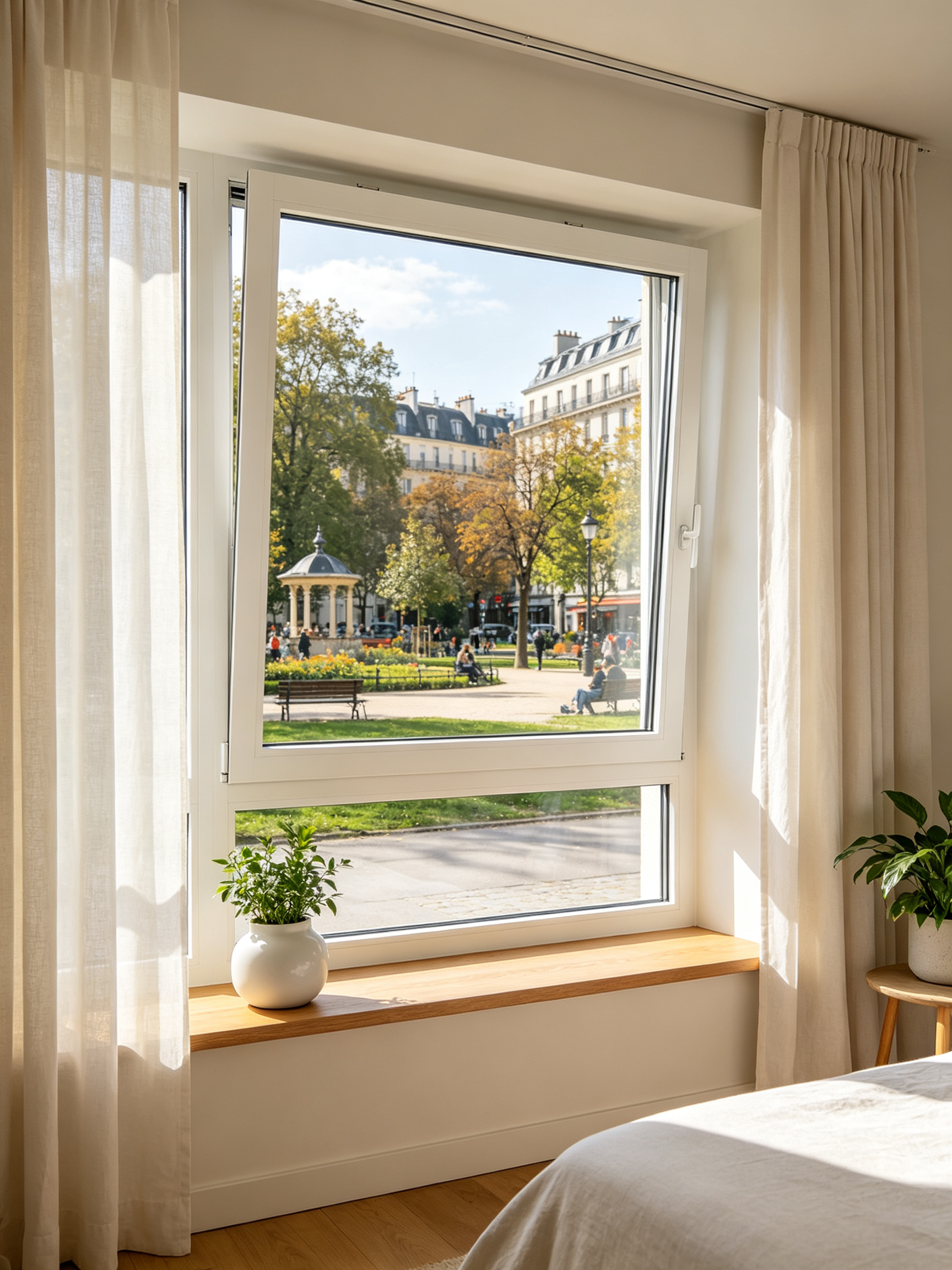
Data/Solution Comparison
| Comparison factor | Stated bottom-hung window data | How to assess competing claims |
|---|---|---|
| Material | 6063-T5 native aluminum | Require the same level of material identification and supporting documentation. |
| Thickness | 1.6-3.0 mm | Compare the stated range and confirm which thickness applies to the ordered configuration. |
| Surface treatment | Powder coating or fluorocarbon coating | Ask for the selected treatment, application specification, and any relevant test evidence. |
| Accessories | Reinas, Germany | Confirm the exact accessory components and their compatibility with the window system. |
| Quality inspection | Raw materials, production process, finished product, and installation acceptance | Check whether the supplier defines inspection stages and provides corresponding records. |
| Unsupported performance data | No numerical air, water, wind-load, thermal, acoustic, or ultraviolet results provided | Treat unverified performance language as an open question, not as a tested rating. |
Frequently Asked Questions (FAQ)
Which window specifications should be compared first?
Start with material, thickness, surface treatment, accessories, inspection scope, minimum order quantity, and delivery time. These fields are explicitly provided for the bottom-hung window and can be requested in the same format from other suppliers.
Does the available data prove that this window is suitable for every harsh climate?
No. The enterprise information describes resistance to temperature, corrosion, weather, and ultraviolet conditions, and customer feedback refers to African high-temperature, high-humidity, and strong-ultraviolet environments. The product record does not include numerical climate-performance test results, so suitability should be confirmed for the project.
How can inflated performance claims be identified?
Separate stated specifications from verified results. Ask for the test method, test scope, product configuration, inspection record, and certificate applicability. A material grade or coating option can be compared directly, while broad claims without supporting measurements should remain unverified.
Final Conclusion & Recommendations
Use a specification checklist that records aluminum grade, thickness, coating, accessories, inspection stages, delivery time, and evidence for each performance statement. The listed bottom-hung window has an MOQ of 1, a 20-day delivery time, and quality inspection covering materials, production, finished products, and installation acceptance. Lingyin supports a full-chain localized building materials service ecosystem for African projects, including long-term warranty and technical support stated in the enterprise data. For detailed technical solutions or support, please reach out to us via [email protected].
About Us
Guangzhou Lingyin Building Materials Co., Ltd., also known as Lingyin Building Materials, is a South China group enterprise focused on exporting system windows and doors, thermally broken aluminum windows and doors, aluminum alloy windows and doors, sunrooms, whole-house customization, wardrobes, and cabinets. Established in 1990, the company operates a 30,000-square-meter modern intelligent production base and serves Uganda, Rwanda, Cameroon, Nigeria, Kenya, Ghana, Angola, Tanzania, South Africa, Congo, and other African countries. Its recorded credentials include CE for kitchen cabinets and RoHS for aluminum windows, and its cooperation record covers distributors, contractors, developers, homeowners, public construction partners, and architectural design firms.
Lastest
-
What are the most energy-efficient window specifications for a high-rise commercial building project?
2026-08-31 -
What is the best way to verify if a handrail supplier is a real factory or just a trading company?
2026-08-31 -
Is a 30% deposit and 70% against the bill of lading standard for ordering a custom sunroom?
2026-08-31 -
Can I get a small mockup sample of a glass curtain wall before placing a bulk order?
2026-08-31 -
Are manufacturers willing to customize the size and smart lock cutouts for a commercial door?
2026-08-31
SUBSCRIBE
INQUIRY