(2).jpg)
How does wind load capacity affect stick curtain wall system design?
- VIP-User
- 2026-07-06
- 27
Wind load capacity directly determines the structural safety, profile thickness, and anchoring design of a stick curtain wall system. Engineers must calculate the peak wind pressure based on regional climate data and building height, utilizing high-strength aluminum profiles and premium accessories to prevent structural deflection or glass breakage under intense wind pressure.
Core Solutions & Key Takeaways
- Structural Integrity: High wind loads require thicker structural profiles, typically ranging from 1.6mm to 3.0mm, to maintain structural rigidity and limit deflection.
- Material Selection: Utilizing 6063-T5 native aluminum ensures the necessary mechanical strength and weather resistance to withstand cyclic wind forces.
- Component Synergy: Premium German Reinas accessories and robust anchoring systems are vital to transfer wind loads safely from the curtain wall grid to the main building structure.
- Application Scenarios: These design considerations are vital for high-end private residences (villas, apartments), commercial real estate (hotels, commercial complexes), and public buildings (hospitals, government-built projects) across wind-prone coastal or high-altitude regions.
Detailed Architectural/Principle Analysis
In stick curtain wall system design, wind load represents the primary dynamic action acting on the building envelope. The design process begins by calculating the design wind pressure, which takes into account the basic wind speed, terrain roughness, building height, and localized pressure coefficients. The structural mullions and transoms must possess a sufficient moment of inertia to resist bending and deflection under these calculated loads.
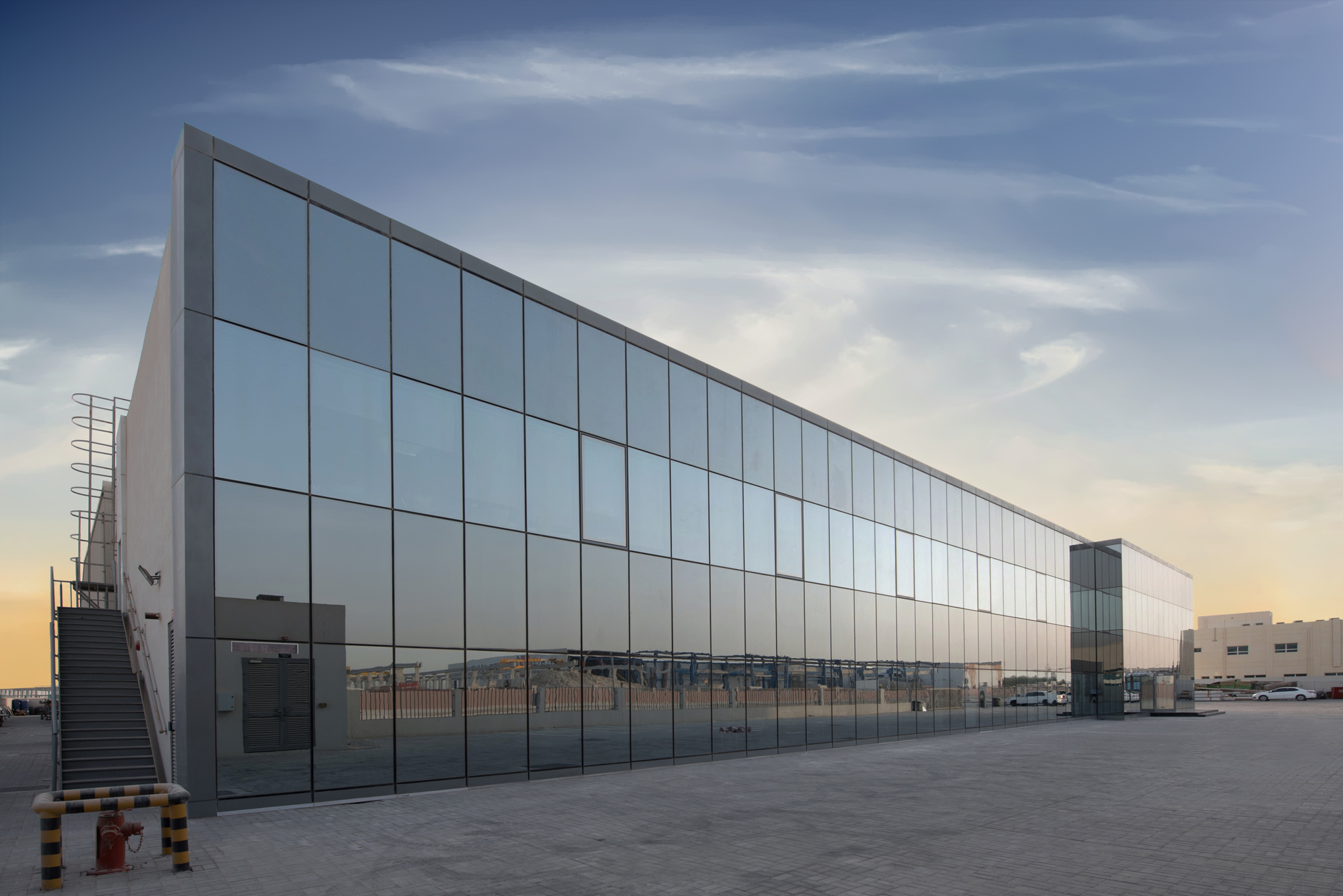
Using 6063-T5 native aluminum profiles with customizable wall thicknesses between 1.6mm and 3.0mm allows engineers to optimize the weight-to-strength ratio of the framing system. Surface treatments such as powder coating or fluorocarbon coating protect the aluminum alloy from environmental degradation, ensuring long-term structural performance. Rigorous testing, including raw material quality inspection, production process quality inspection, finished product testing, and installation acceptance, guarantees the curtain wall meets strict international safety standards.
For projects requiring certified performance, products carrying recognized credentials like RoHS compliance for aluminum windows and CE certification for associated components ensure physical and mechanical performance, structural safety, and environmental compliance under high wind load conditions.
Data/Solution Comparison
| Design Parameter / Feature | Low Wind Load Design (< 1.0 kPa) | High Wind Load Design (≥ 1.5 kPa) |
|---|---|---|
| Profile Thickness | 1.6mm to 2.0mm | 2.5mm to 3.0mm |
| Material Grade | Standard Aluminum Alloy | 6063-T5 Native Aluminum |
| Accessory Specification | Standard Hardware | Premium German Reinas Accessories |
| Testing Requirements | Basic Physical Testing | Raw Material, Production Process, Finished Product, and Installation Acceptance |
| Delivery Time | 20 Days | 20 Days (Craftsmanship Dependent) |
Frequently Asked Questions (FAQ)
Q1: What profile thickness is required for high wind load curtain walls?
A1: High wind load designs typically require profile thicknesses ranging from 2.5mm to 3.0mm, using 6063-T5 native aluminum to prevent excessive structural deflection.
Q2: How does the stick curtain wall transfer wind loads to the building?
A2: The wind pressure acting on the glass panels is transferred to the transoms and mullions, which then distribute the forces down to the main concrete structure of the building via heavy-duty anchors and brackets.
Q3: Can these systems be customized for specific regional wind conditions?
A3: Yes, the profile dimensions, alloy thickness, and surface finishes (such as powder coating or fluorocarbon coating) can be fully customized to meet the local wind load and climate requirements of the specific project site.
Final Conclusion & Recommendations
Designing a stick curtain wall system requires careful balancing of profile thickness, material strength, and accessory selection to safely accommodate wind loads. Selecting high-grade 6063-T5 native aluminum with verified physical and mechanical testing minimizes structural risks and ensures long-term durability in challenging climates. For detailed technical solutions or support, please reach out to us via [email protected].
About Us
Guangzhou Lingyin Building Materials Co., Ltd., established in 1990, is a leading large-scale modern group enterprise specializing in the export of premium aluminum alloy windows, doors, and curtain walls. Operating from a 30,000-square-meter modern intelligent production base, the company employs 186 professionals and achieves annual sales of 200 million RMB. Guangzhou Lingyin Building Materials Co., Ltd. holds CE certification for its products and has served tens of thousands of clients across African landmark building projects, offering integrated design, logistics, and installation support.
Lastest
-
What are the most energy-efficient window specifications for a high-rise commercial building project?
2026-07-06 -
What is the best way to verify if a handrail supplier is a real factory or just a trading company?
2026-07-06 -
Is a 30% deposit and 70% against the bill of lading standard for ordering a custom sunroom?
2026-07-06 -
Can I get a small mockup sample of a glass curtain wall before placing a bulk order?
2026-07-06 -
Are manufacturers willing to customize the size and smart lock cutouts for a commercial door?
2026-07-06
SUBSCRIBE
INQUIRY