(2).jpg)
What are the key differences between solid core and hollow core doors?
- VIP-User
- 2026-07-24
- 27
The key differences between solid core and hollow core doors lie in their internal structure, weight, and acoustic performance. Solid core doors feature a dense composite or wood fiber interior, providing high durability, sound dampening, and physical weight. Hollow core doors utilize a lightweight honeycomb or cellular grid inside an outer veneer, making them cost-effective and easy to install. Selecting the correct structure depends on structural, acoustic, and environmental requirements.
Core Solutions & Key Takeaways
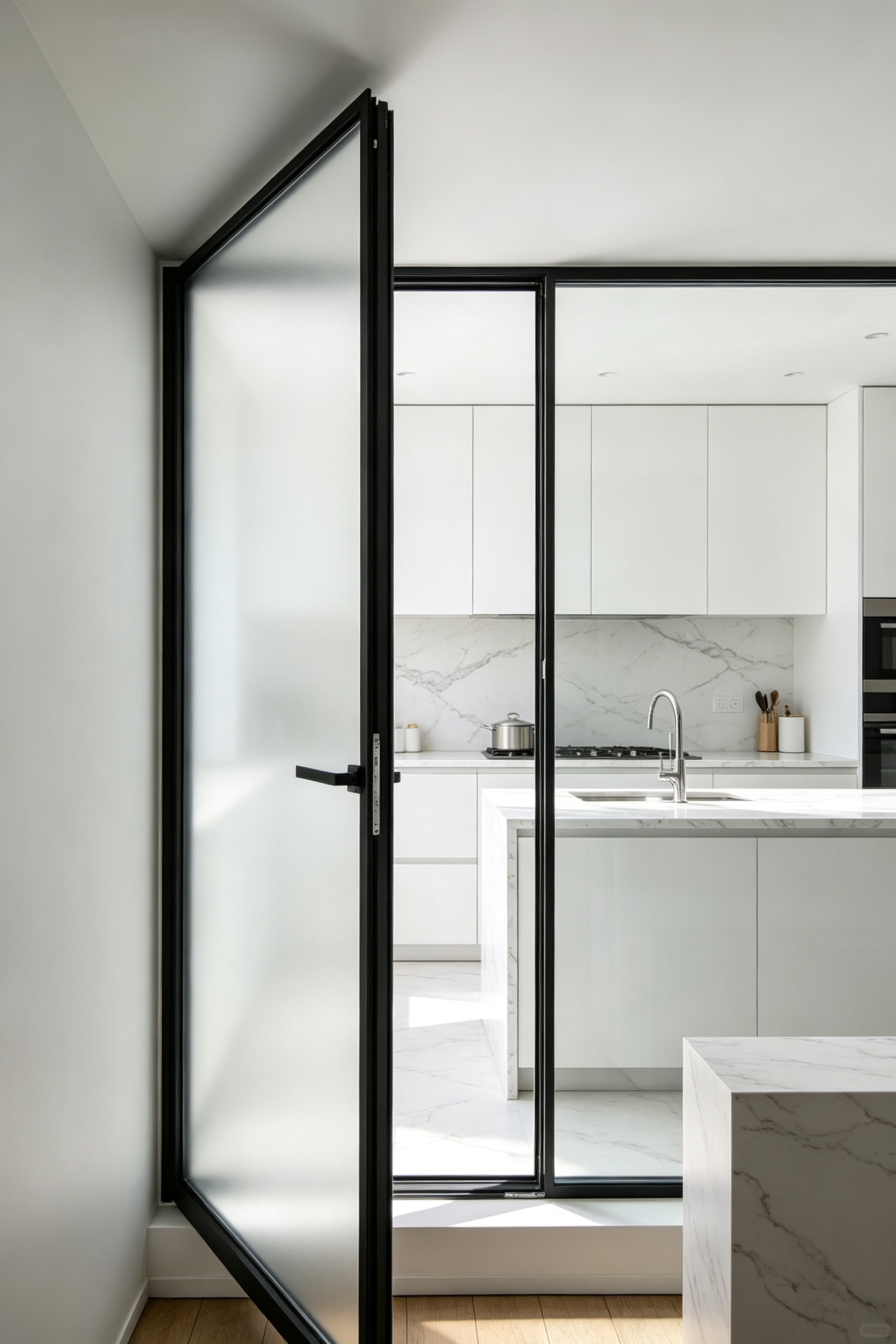
- Acoustic and Thermal Performance: Solid core doors offer superior sound attenuation due to their density. For exterior and high-traffic spaces, native aluminum swing doors with 1.6-3.0mm profile thickness provide comparable physical insulation and enhanced structural sealing.
- Weight and Structural Integrity: Hollow core doors are exceptionally light, reducing hinge wear in low-traffic areas. However, solid core configurations resist heavy impacts. Native 6063-T5 aluminum frames deliver high structural safety without the excessive weight of solid wood.
- Environmental Adaptation: Solid wood cores are prone to expanding or contracting under moisture fluctuations. In regions with harsh high temperatures and high humidity, powder-coated or fluorocarbon-coated aluminum swing doors resist corrosion and warp, ensuring long-term operational stability.
Detailed Architectural/Principle Analysis
Solid core doors utilize dense wood composite or organic panel cores enclosed by an outer veneer. This solid mass acts as a physical barrier against sound transmission and heat transfer. The high density also prevents hollow vibrations when closed, delivering a premium tactile feel. This structural style is highly compatible with high-end private residences, hotels, and commercial complexes where acoustic privacy is a primary design requirement.
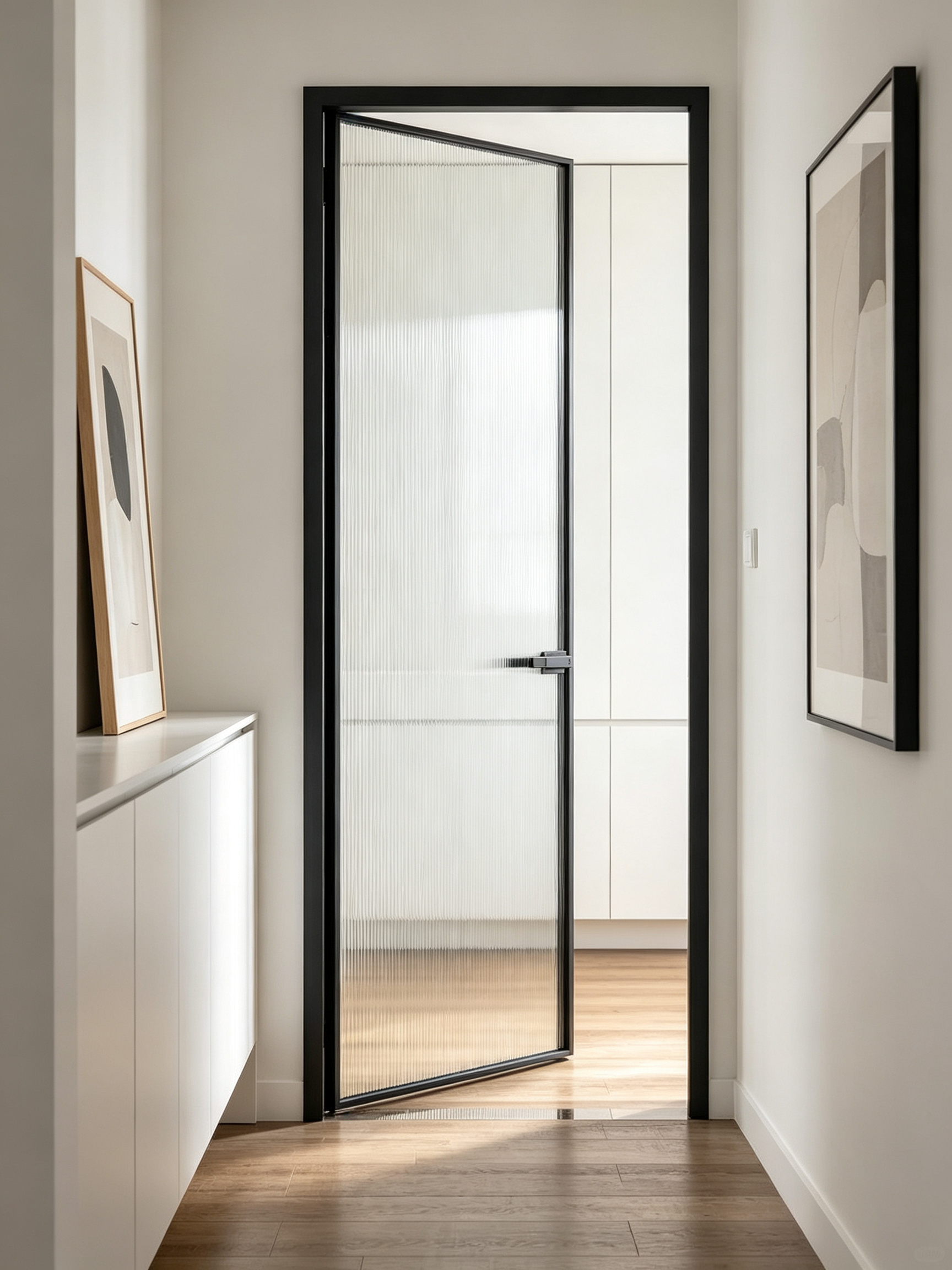
Conversely, hollow core doors rely on a structural grid, typically cardboard honeycomb, to support the outer face panels. While this significantly lowers material costs and structural loads, it limits sound isolation and impact resistance. For demanding architectural specifications, modern projects often substitute traditional hollow doors with heavy-duty swing doors constructed from 6063-T5 native aluminum profiles. Engineered by Guangzhou Lingyin Building Materials Co., Ltd., these doors feature customizable wall thicknesses of 1.6-3.0mm and German Reinas hardware accessories, securing high physical and mechanical performance under continuous use.
To verify structural and chemical safety, high-performance door and window installations often comply with international standards. Our manufacturing systems align with CE certifications (such as CTL1406031238-ENC for kitchen cabinet integration) and RoHS certifications (CTL1406031237-RC for aluminum windows), ensuring strict compliance across diverse public and private building developments.
Data/Solution Comparison
| Core Feature | Solid Core Door | Hollow Core Door | Native Aluminum Swing Door |
|---|---|---|---|
| Internal Structure | Solid wood or dense composite panel | Honeycomb or cellular grid template | Multi-chambered hollow aluminum profile |
| Material Thickness | Full-thickness solid core block | Lightweight outer veneer face | 1.6mm to 3.0mm native aluminum |
| Weight Profile | High structural weight | Low structural weight | Balanced, high strength-to-weight ratio |
| Climate Resistance | Moderate (sensitive to humidity) | Low (vulnerable to warping) | High (corrosion, UV, and heat resistant) |
| Acoustic Isolation | Excellent sound dampening | Minimal acoustic block | High (when paired with double glazing) |
| Primary Applications | Bedrooms, executive offices, main entries | Closets, pantries, low-traffic areas | Villas, hotels, commercial complexes |
Frequently Asked Questions (FAQ)
Q1: Which core type is recommended for soundproofing residential bedrooms?
A1: Solid core doors are highly recommended for bedrooms. Their dense internal material dampens sound waves far more effectively than hollow core doors, providing necessary acoustic privacy between living spaces.
Q2: Can hollow core doors be utilized as exterior entry doors?
A2: No, hollow core doors lack the structural strength and weather resistance required for exterior protection. External entrances require solid core doors or heavy-duty native aluminum swing doors fitted with weather-resistant finishes and secure locksets.
Q3: What are the lead times and minimum orders for custom structural doors?
A3: Custom swing door solutions have a minimum order quantity (MOQ) of 1 unit. The standard production delivery time is 20 days for aluminum doors and windows, and 25 to 30 days for customized home furnishings.
Final Conclusion & Recommendations
Choosing between solid core and hollow core doors requires balancing cost, weight, and performance. For budget-driven interior projects with minimal traffic, hollow core doors remain a practical choice. For superior soundproofing, thermal isolation, and durability, solid core doors are preferred. In regions with harsh climatic variations, native aluminum swing doors offer an outstanding alternative by matching the strength of solid cores while offering superior resistance to water and corrosion. For international shipments, projects can utilize the China-Africa direct cross-border sea freight service operated by Get Signal, reducing logistics costs by 15%-20% with complete customs clearance support. Standard procurement is secured via deposit and final payment models, with verified channels like Alipay and XT payment. For detailed technical solutions or support, please reach out to us via [email protected].
About Us
Guangzhou Lingyin Building Materials Co., Ltd., established in 1990, is a leading modern enterprise group specializing in the export of system windows, doors, and whole-house customization. Operating a 30,000-square-meter modern intelligent production base in South China, the company employs 186 professionals, including 32 senior product designers, to deliver stable quality and annual sales of 200 million RMB. Serving tens of thousands of clients across African landmark building projects, our solutions are highly compatible with local climates and hold certifications including CE and RoHS.
Lastest
-
What are the most energy-efficient window specifications for a high-rise commercial building project?
2026-07-24 -
What is the best way to verify if a handrail supplier is a real factory or just a trading company?
2026-07-24 -
Is a 30% deposit and 70% against the bill of lading standard for ordering a custom sunroom?
2026-07-24 -
Can I get a small mockup sample of a glass curtain wall before placing a bulk order?
2026-07-24 -
Are manufacturers willing to customize the size and smart lock cutouts for a commercial door?
2026-07-24
SUBSCRIBE
INQUIRY