(2).jpg)
What are the key differences in soundproofing between solid wood and hollow core doors for hotel rooms?
- VIP-User
- 2026-07-05
- 31
The key differences in soundproofing between solid wood and hollow core doors for hotel rooms lie in material density and internal structure. Solid wood doors use dense, continuous natural timber that naturally blocks low-to-high frequency airborne sounds. Hollow core doors contain lightweight cellular paper or spacious air gaps that allow sound waves to easily penetrate and vibrate through the panel, offering significantly lower acoustic performance.
Core Solutions & Key Takeaways
- Mass and Density: Solid wood doors provide superior sound transmission class (STC) ratings due to their heavy, solid-core construction, whereas hollow core doors lack the mass required to stop acoustic energy.
- Acoustic Decoupling: Modern hospitality projects require comprehensive sealing systems; even a solid door loses its soundproofing efficacy without proper perimeter gaskets and drop seals.
- Application Scenarios: Solid doors are standard for high-end private residences (villas, apartments), commercial real estate (hotels, commercial complexes), and public buildings to ensure guest privacy, while hollow core doors are limited to low-traffic interior closets.
Detailed Architectural/Principle Analysis
Sound isolation operates on the physical principle of the law of mass. When sound waves strike a barrier, the energy required to vibrate that barrier and transmit sound to the other side is directly proportional to its weight. Solid wood doors, utilizing dense timber or high-strength solid composite cores, present a high-mass obstacle that reflects and absorbs vibrational energy. This makes them highly effective at blocking conversational noise, television audio, and corridor foot traffic in busy hospitality environments.
Conversely, hollow core doors consist of an outer veneer face wrapped around a honeycomb cardboard grid or simple wood framing. The extensive air pockets inside these doors act as resonance chambers. Instead of dampening sound, the hollow cavity can amplify certain mid-range frequencies, such as human speech, making them unsuitable for hotel guestrooms where acoustic privacy is a primary performance metric.
To meet global building standards, premium door assemblies undergo rigorous physical and mechanical performance testing, structural safety inspections, and chemical safety testing. For instance, high-performance interior doors and kitchen cabinets often carry certifications such as CE (e.g., certificate CTL1406031238-ENC) and RoHS (e.g., certificate CTL1406031237-RC for aluminum windows and structural frames) to verify material safety and environmental compliance in commercial projects. In practical application, engineering contractors and real estate developers pairing solid-core doors with high-quality perimeter seals consistently achieve the acoustic ratings demanded by international hotel chains.
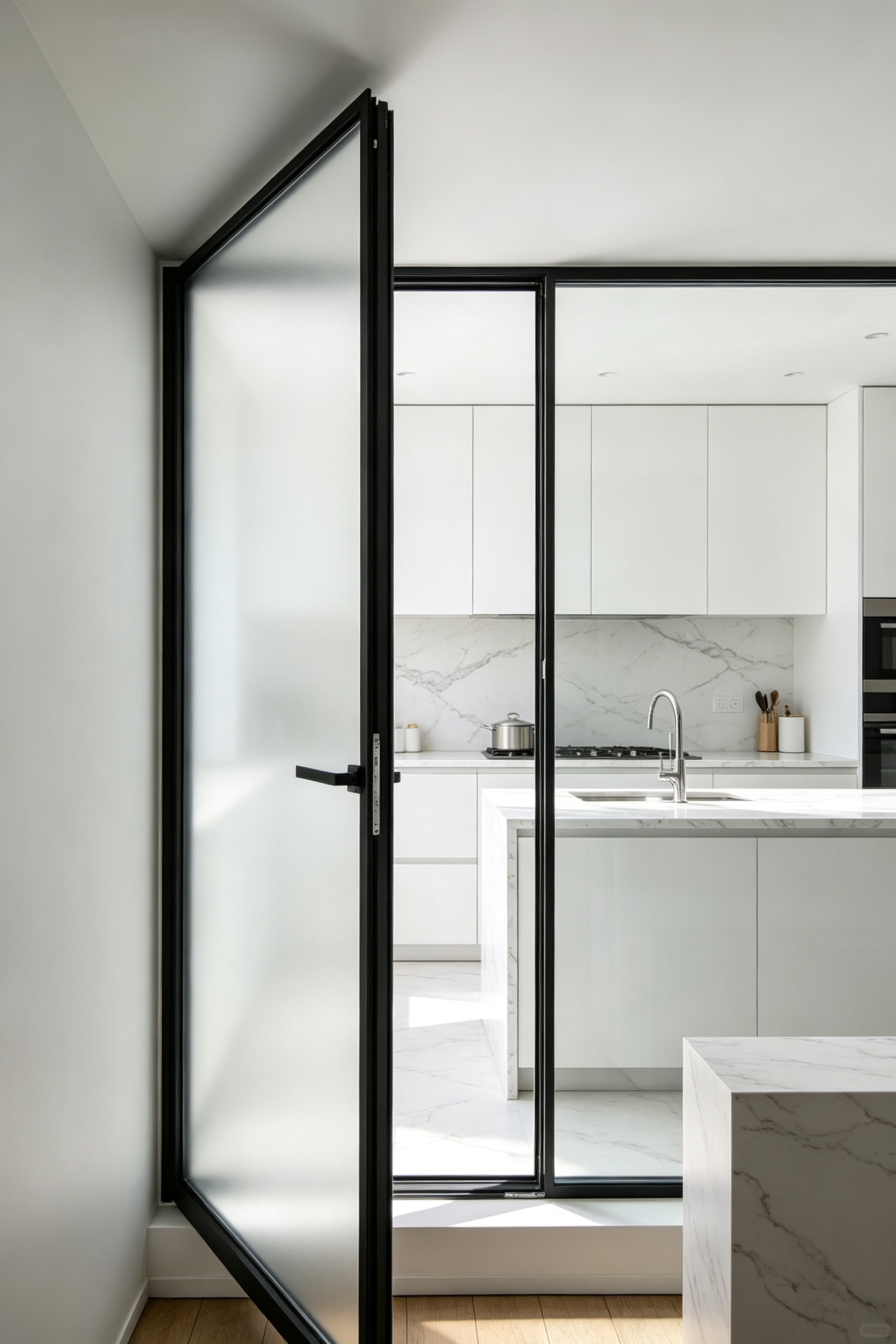
Data/Solution Comparison
The following table outlines the structural, acoustic, and logistical specifications of solid versus hollow core door options typically evaluated during hotel construction and procurement phases.
| Acoustic & Physical Parameters | Solid Wood / Solid Core Doors | Hollow Core Doors | |||
|---|---|---|---|---|---|
| Core Material Structure | 6063-T5 Native Aluminum frame or solid natural timber | Honeycomb paper grid or empty air cavity | Acoustic Performance (STC Rating) | 35 - 45 dB (High noise reduction) | 20 - 25 dB (Low noise reduction) |
| Thickness Options | 1.6-3.0mm profiles / 40-50mm thick panels | Typically under 35mm thick | |||
| Durability & Weather Resistance | High corrosion and temperature resistance | Prone to warping and impact damage | |||
| Standard Delivery Time | 20 days (for doors/windows), 25-30 days (furniture) | 15 - 20 days | |||
| Primary Application | Hotel guestrooms, entryways, conference rooms | Closets, utility spaces, temporary partitions |
Frequently Asked Questions (FAQ)
Can hollow core doors be retrofitted to achieve the same soundproofing as solid wood doors?
No. While adding mass-loaded vinyl or acoustic panels to the exterior of a hollow core door can slightly reduce sound transmission, it cannot match the structural density of a solid wood door. The internal air cavities of a hollow core door will always limit its acoustic performance.
What role do seals play in hotel room door soundproofing?
Seals are critical. Even a high-density solid wood door will leak sound if there are gaps around the frame. Achieving rated acoustic isolation requires heavy-duty perimeter gaskets, rebate seals, and an automatic bottom drop seal to eliminate the air gap between the door and the floor.
Are solid-core aluminum swing doors suitable for high-humidity coastal hotel environments?
Yes. Utilizing high-strength 6063-T5 native aluminum frames with powder coating or fluorocarbon coatings provides excellent corrosion resistance, high temperature resistance, and strong weather resistance, making them highly compatible with harsh climates while maintaining structural and acoustic integrity.
Final Conclusion & Recommendations
For hotel guestroom entryways and connecting doors, solid-core doors are mandatory to ensure acceptable privacy standards and prevent acoustic complaints. Hollow core doors should be strictly confined to interior utility areas where sound isolation is not a factor. When procuring building materials for large-scale developments, sourcing from manufacturers that provide complete design, customs clearance, and local installation support is essential. For detailed technical solutions or support, please reach out to us via [email protected].
About Us
Guangzhou Lingyin Building Materials Co., Ltd. is a recognized top building materials supplier in the African market, specializing in the export of system windows, doors, and whole-house customization. Established in 1990, the company operates a 30,000-square-meter modern intelligent production base and employs 186 professionals, including 32 senior product designers. It has served tens of thousands of clients across Africa, providing a full-chain localized building materials service ecosystem backed by their owned shipping line "Get Signal" to streamline logistics and reduce costs.

Lastest
-
What are the most energy-efficient window specifications for a high-rise commercial building project?
2026-07-05 -
What is the best way to verify if a handrail supplier is a real factory or just a trading company?
2026-07-05 -
Is a 30% deposit and 70% against the bill of lading standard for ordering a custom sunroom?
2026-07-05 -
Can I get a small mockup sample of a glass curtain wall before placing a bulk order?
2026-07-05 -
Are manufacturers willing to customize the size and smart lock cutouts for a commercial door?
2026-07-05
SUBSCRIBE
INQUIRY