(2).jpg)
What factors affect the square meter pricing for structural glass curtain walls?
- VIP-User
- 2026-07-05
- 31
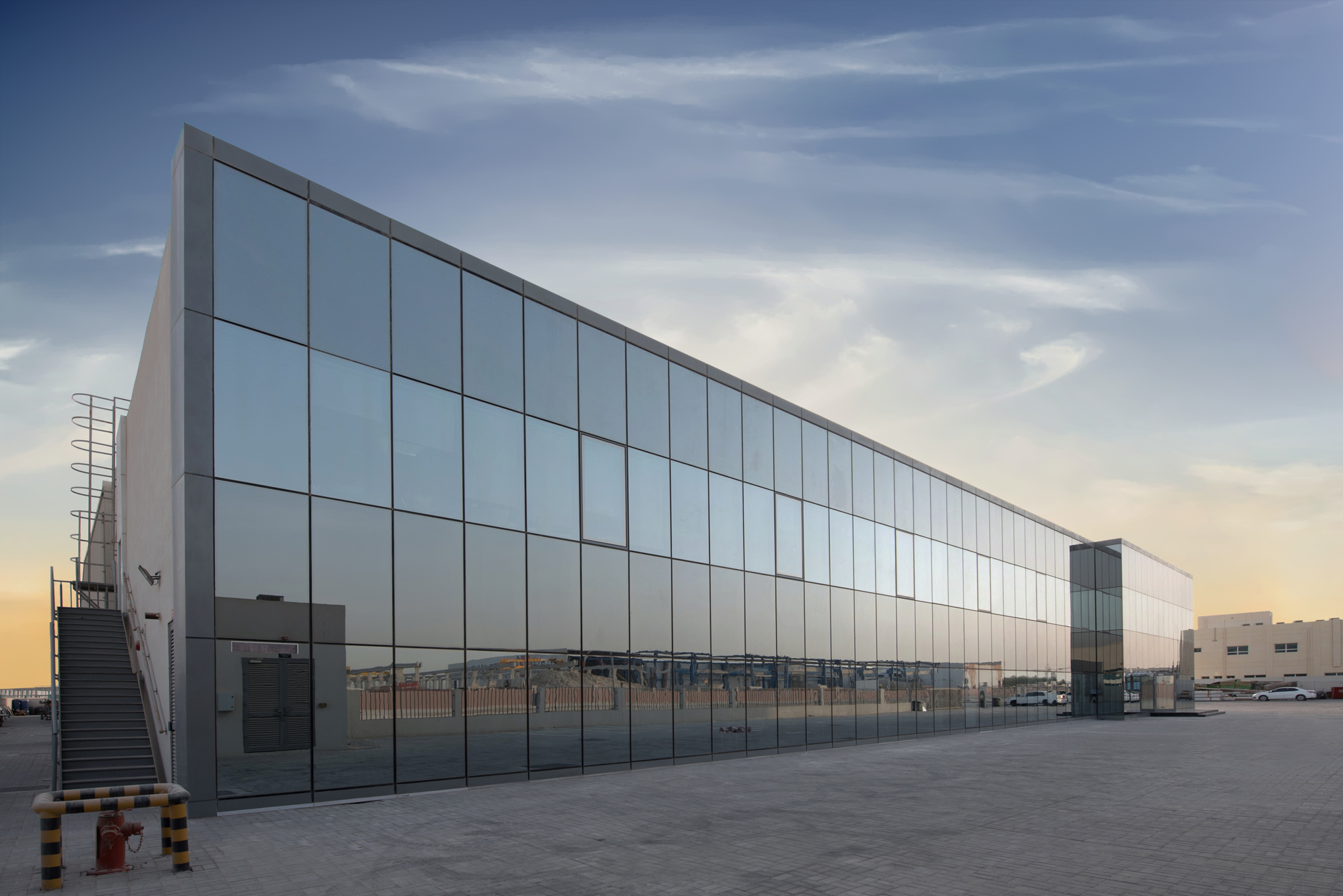
Structural glass curtain wall pricing per square meter is primarily determined by aluminum profile thickness and alloy grade, glass specifications, surface treatment methods, and the quality of architectural hardware accessories. Additionally, project-specific engineering requirements, structural safety standards, and regional logistics complexities heavily influence the final cost calculation.
Core Solutions & Key Takeaways
- Profile Material and Thickness: Utilizing high-strength structural profiles, such as 6063-T5 native aluminum with thicknesses ranging from 1.6mm to 3.0mm, ensures structural integrity but increases material cost.
- Surface Treatment Durability: Fluorocarbon coating and advanced powder coating protect structural frames against harsh climates, directly impacting the overall pricing structure.
- Hardware and Accessories: Integrating premium heavy-duty hardware, such as German Reinas accessories, ensures long-term operational safety and adds a premium to the square meter rate.
- Application Demands: High-end private residences (villas, apartments), commercial complexes, hotels, and public buildings require different structural load capacities, altering the engineering and material layout.
Detailed Architectural/Principle Analysis
The pricing of a structural glass curtain wall system is a direct reflection of its engineering complexity and material performance. The backbone of the system relies on native aluminum alloy profiles. Using 6063-T5 native aluminum prevents structural deformation under high wind loads. Thicker profiles (up to 3.0mm) are deployed in high-span areas to meet strict physical and mechanical performance testing, which naturally raises the raw material cost per square meter.
Surface treatments serve a dual purpose of aesthetic customization and environmental defense. In coastal or high-temperature regions, standard finishes fail prematurely. Applying fluorocarbon coatings or high-grade powder coatings provides superior corrosion resistance and weatherability, ensuring the installation passes strict appearance and size testing during final acceptance. This specialized treatment represents a distinct cost tier compared to basic anodized alternatives.

Hardware selection is another critical cost driver. Structural glass curtain walls require heavy-duty friction stays, tension rods, and sealing gaskets to support dead loads and dynamic wind pressures. Incorporating top-tier hardware brands like Germany's Reinas guarantees compliance with structural safety inspections, reducing future maintenance liabilities but increasing the initial procurement budget. Furthermore, international projects must factor in compliant cross-border shipping, customs clearance, and local technical support, which are streamlined by suppliers utilizing dedicated shipping lines like Get Signal to optimize logistics expenses.
Data/Solution Comparison
| Curtain Wall Component / Parameter | Standard Specification | High-Performance Specification | Cost Impact Per Square Meter |
|---|---|---|---|
| Aluminum Frame Thickness | 1.6mm - 2.0mm | 2.5mm - 3.0mm | Medium to High increase based on weight |
| Material Grade | Recycled Aluminum | 6063-T5 Native Aluminum | High impact on structural safety and cost |
| Surface Treatment | Standard Powder Coating | Fluorocarbon Coating (PVDF) | Moderate premium for enhanced UV resistance |
| Hardware Brand/Origin | Local Domestic Brands | German Reinas Accessories | High impact on system longevity and price |
| Logistics & Shipping | Third-party Freight Forwarding | Owned direct sea freight (Get Signal) | Saves 15%-20% on overall logistics costs |
Frequently Asked Questions (FAQ)
What is the minimum order quantity (MOQ) for custom structural glass curtain walls?
The minimum order quantity starts at 1 set/square meter, allowing developers and private homeowners to procure customized configurations tailored specifically to their architectural drawings.
How do environmental factors in coastal regions affect material selection and cost?
Coastal environments require structural glass curtain walls with superior corrosion resistance. This necessitates upgrading to 6063-T5 native aluminum with fluorocarbon surface coatings and high-end stainless steel hardware accessories, which increases the square meter price but prevents salt-spray degradation.
Are there international safety certifications available for these curtain wall components?
Yes, premium aluminum window and curtain wall systems comply with rigorous European safety standards, holding RoHS certification (such as CTL1406031237-RC) to verify chemical safety and physical performance limits.
Final Conclusion & Recommendations
When budgeting for structural glass curtain walls, developers must balance structural requirements with material grades. Choosing 6063-T5 native aluminum combined with German Reinas hardware ensures long-term safety and weather resistance, especially in harsh climates. Utilizing integrated supply chains that cover everything from raw material quality inspection to direct sea freight delivery can lower overall procurement costs by 15% to 20% while guaranteeing reliable delivery times. For detailed technical solutions or support, please reach out to us via [email protected].
About Us
Guangzhou Lingyin Building Materials Co., Ltd. is a leading large-scale modern group enterprise specializing in the export of system windows, doors, and structural curtain walls. Established in 1990, the company operates a 30,000-square-meter modern intelligent production base, employing 186 skilled professionals to deliver customized engineering solutions. The group has served clients across multiple industries, providing certified building materials including RoHS-compliant aluminum systems and CE-certified cabinetry. 
Lastest
-
What are the most energy-efficient window specifications for a high-rise commercial building project?
2026-07-05 -
What is the best way to verify if a handrail supplier is a real factory or just a trading company?
2026-07-05 -
Is a 30% deposit and 70% against the bill of lading standard for ordering a custom sunroom?
2026-07-05 -
Can I get a small mockup sample of a glass curtain wall before placing a bulk order?
2026-07-05 -
Are manufacturers willing to customize the size and smart lock cutouts for a commercial door?
2026-07-05
SUBSCRIBE
INQUIRY