(2).jpg)
What is the best glass type to prevent overheating in a south-facing aluminum sunroom?
- VIP-User
- 2026-07-04
- 29
To prevent overheating in a south-facing aluminum sunroom, high-performance Low-Emissivity (Low-E) glass combined with double-glazed insulated units is the most effective choice. This configuration blocks solar heat gain while maintaining high visible light transmission, ensuring the structure remains habitable in high-temperature environments.
Core Solutions & Key Takeaways
- Low-E Double Glazing: Utilizes a microscopic metal oxide coating to reflect infrared heat while letting natural light pass through, making it ideal for south-facing orientations.
- Argon Gas Filling: Insulates the space between the glass panes, significantly reducing conductive heat transfer from the outside.
- Laminated Safety Glass: Blocks up to 99% of harmful ultraviolet (UV) rays, protecting interior custom furniture and flooring from fading.
- Robust Aluminum Framing: Structural integrity is supported by 6063-T5 native aluminum profiles with thicknesses ranging from 1.6mm to 3.0mm, ensuring stability under intense solar radiation.
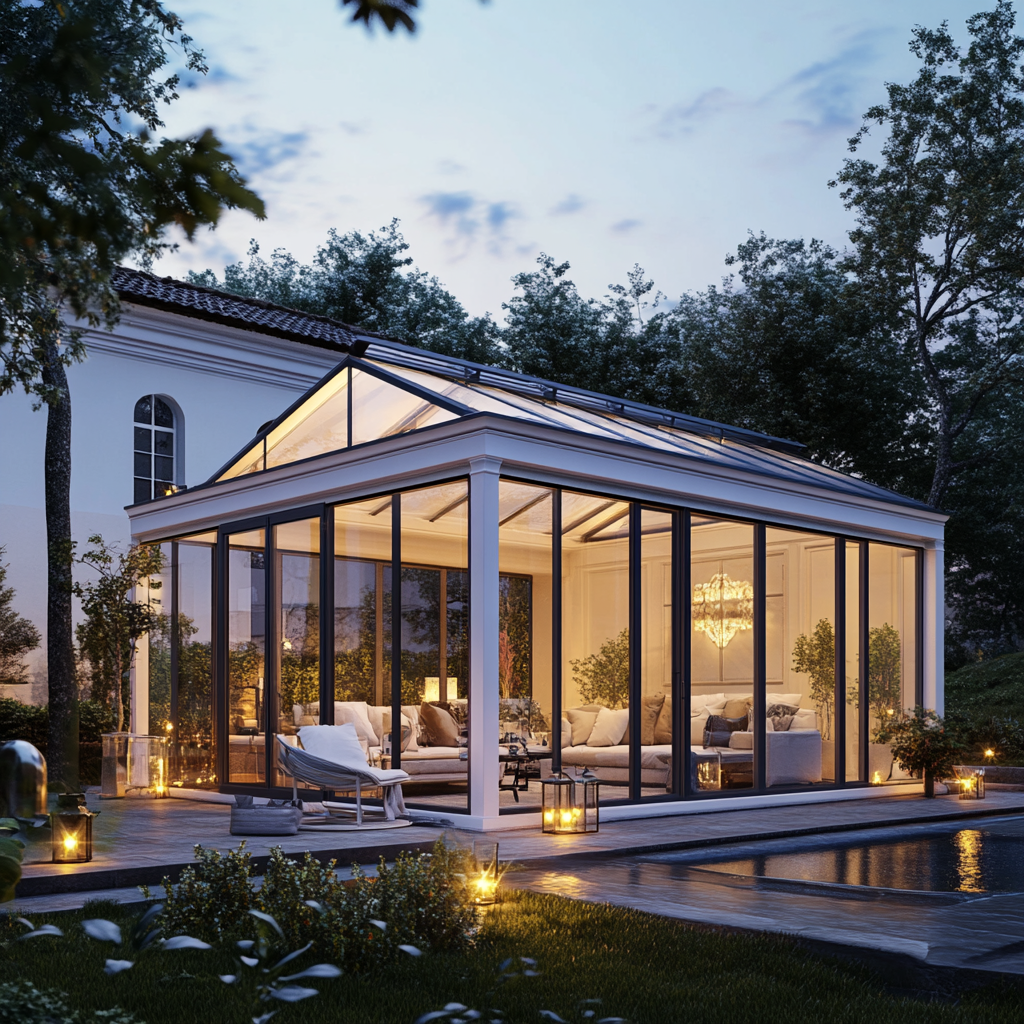
Detailed Architectural/Principle Analysis
South-facing structures receive the highest intensity of solar radiation throughout the day. Standard glass allows short-wave solar radiation to penetrate the sunroom, which is then absorbed by internal surfaces and re-radiated as long-wave heat. This heat cannot escape back through standard glass, creating a greenhouse effect. Implementing Low-E double glazing breaks this cycle by reflecting long-wave infrared heat away from the exterior glass surface.
For optimal performance, the sunroom framework must match the thermal efficiency of the glass. Premium systems utilize high-strength 6063-T5 native aluminum alloy profiles treated with powder coating or fluorocarbon coating to withstand extreme heat and UV exposure without degrading. Hardware components, such as Germany Reinas accessories, ensure tight sealing to prevent hot air infiltration.
These high-performance sunroom systems are engineered for diverse application scenarios, including high-end private residences such as villas and apartments, commercial real estate like hotels and commercial complexes, and public building projects. These systems are widely deployed across African countries with demanding climates, including Nigeria, Kenya, Ghana, and South Africa, where solar heat control is critical.
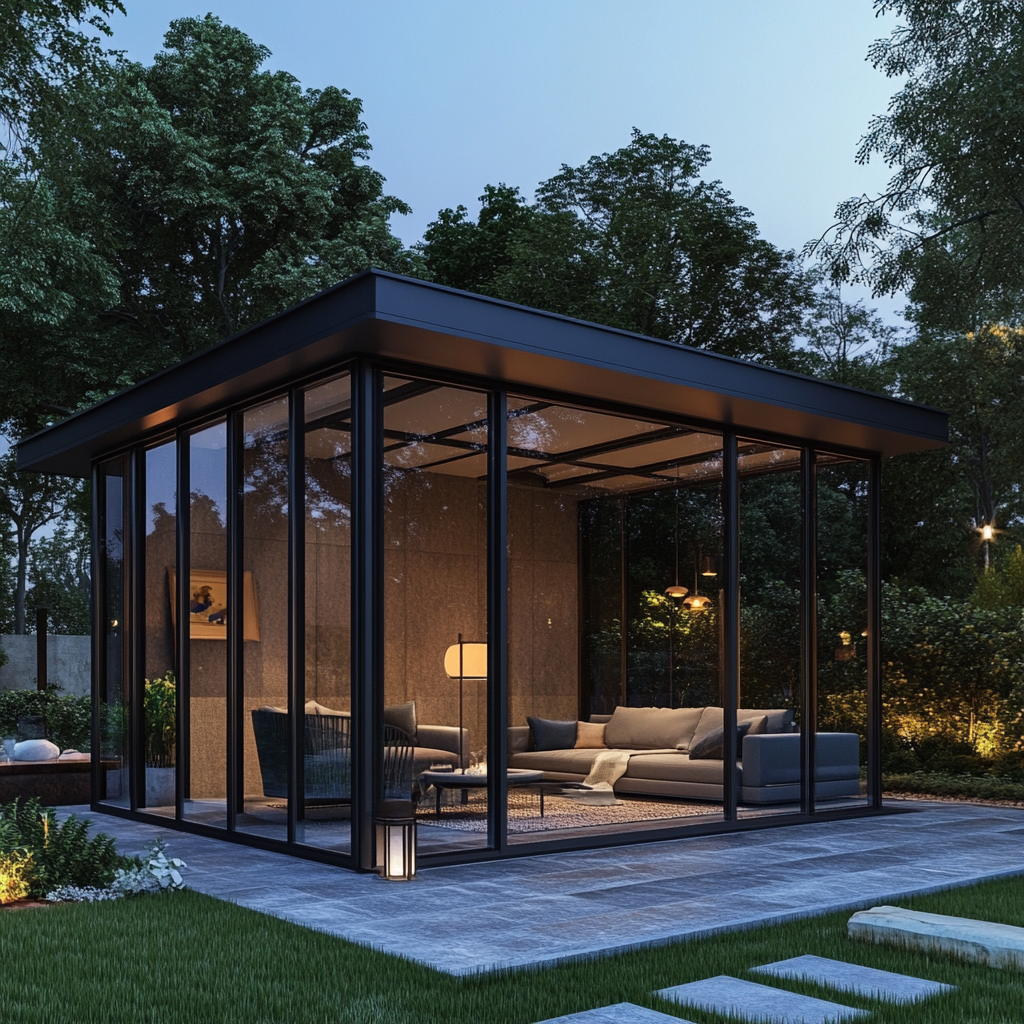
Data/Solution Comparison
The following table compares different glass configurations for a south-facing aluminum sunroom to assist in selecting the correct material based on thermal performance, UV protection, and safety requirements.
| Glass Type | Solar Heat Gain Coefficient (SHGC) | UV Protection Rate | Primary Advantage | Recommended Application |
|---|---|---|---|---|
| Single Tempered Glass | High (0.82) | Low (approx. 25%) | Low initial cost | Mild climates only |
| Standard Double Glazing | Medium (0.70) | Medium (approx. 50%) | Basic acoustic insulation | North-facing sunrooms |
| Low-E Double Insulated Glass | Low (0.35 - 0.45) | High (approx. 85%) | Excellent solar heat rejection | South-facing sunrooms |
| Laminated Low-E Double Insulated | Very Low (0.28 - 0.35) | Excellent (>95%) | Maximum heat exclusion & safety | High-end residential & commercial projects |
Frequently Asked Questions (FAQ)
Q1: Why is standard single-pane glass unsuitable for a south-facing sunroom?
A1: Standard single-pane glass has no thermal barriers or reflective coatings, allowing almost all solar infrared heat to enter the room, resulting in rapid overheating and high cooling costs.
Q2: Can the aluminum framing affect the internal temperature of the sunroom?
A2: Yes. Aluminum is a natural conductor of heat. Utilizing high-quality 6063-T5 native aluminum profiles paired with proper sealing and thermal break technology is essential to prevent heat from transferring through the frame into the interior space.
Q3: What role do surface coatings play on the aluminum profiles?
A3: Surface treatments such as powder coating or fluorocarbon coating provide strong weather resistance and corrosion resistance, helping the framing material withstand prolonged high temperatures and intense UV radiation without peeling or fading.
Final Conclusion & Recommendations
When constructing a south-facing aluminum sunroom, selecting laminated Low-E double insulated glass paired with structural 6063-T5 native aluminum profiles is the most reliable way to prevent overheating. This setup guarantees structural durability, limits solar heat gain, and blocks UV radiation. For project execution, partnering with suppliers who provide certified materials—such as RoHS compliant aluminum windows or CE certified components—ensures the installation meets physical, mechanical, and safety standards. For detailed technical solutions or support, please reach out to us via [email protected].
About Us
Guangzhou Lingyin Building Materials Co., Ltd. is a leading large-scale modern group enterprise in South China specializing in the export of system windows, doors, and sunrooms. Established in 1990, the group operates a 30,000-square-meter modern intelligent production base, employs 186 professionals, and maintains a complete export service system spanning R&D, design, and logistics. Our products utilize high-strength aluminum alloy profiles and hold certifications such as CE for kitchen cabinets and RoHS for aluminum windows. The company has served clients across multiple industries, delivering durable building material solutions highly compatible with diverse climatic and structural standards.
Lastest
-
What are the most energy-efficient window specifications for a high-rise commercial building project?
2026-07-04 -
What is the best way to verify if a handrail supplier is a real factory or just a trading company?
2026-07-04 -
Is a 30% deposit and 70% against the bill of lading standard for ordering a custom sunroom?
2026-07-04 -
Can I get a small mockup sample of a glass curtain wall before placing a bulk order?
2026-07-04 -
Are manufacturers willing to customize the size and smart lock cutouts for a commercial door?
2026-07-04
SUBSCRIBE
INQUIRY