(2).jpg)
What is the safest packing method for high-end wooden doors in bulk?
- VIP-User
- 2026-07-13
- 31
The safest packing method for high-end wooden doors in bulk involves a multi-layered protective system featuring surface-protecting PE film, shock-absorbing EPE foam corner guards, and rigid outer packaging like heavy-duty corrugated cartons or reinforced wooden crates. This structured configuration prevents surface scratches, absorbs transit vibrations, and resists structural compression during long-distance shipping.
Core Solutions & Key Takeaways
- Multi-Layered Shielding: Utilize protective film directly on the door surface, followed by thick polyethylene foam sheet wrapping to cushion against impact.
- Reinforced Edge Protection: Apply molded corner protectors to safeguard vulnerable door edges and corners from drops and structural shifts.
- Rigid Outer Containment: Encase the wrapped doors in heavy-duty cardboard boxes or custom wooden crates to withstand stacking pressure during container loading.
- Moisture Control: Incorporate desiccant packets within the wrapping to prevent moisture damage, which is highly compatible with humid African climates and building standards.
Detailed Architectural/Principle Analysis
Bulk transportation of high-end doors requires packaging that can withstand mechanical stresses, humidity fluctuations, and multi-modal handling. The primary risk during long-distance maritime transit is vibration-induced friction, which degrades surface finishes. Implementing a tight PE wrap prevents direct contact with outer packaging materials, neutralizing micro-abrasions.
For heavy architectural components, physical drop tests show that over 70% of structural damage occurs at the corners. High-density foam caps distribute impact forces over a wider surface area, reducing localized stress. This packaging methodology is crucial when supplying large-scale construction projects, such as high-end private residences, hotels, and commercial complexes, where pristine material condition upon arrival is mandatory.
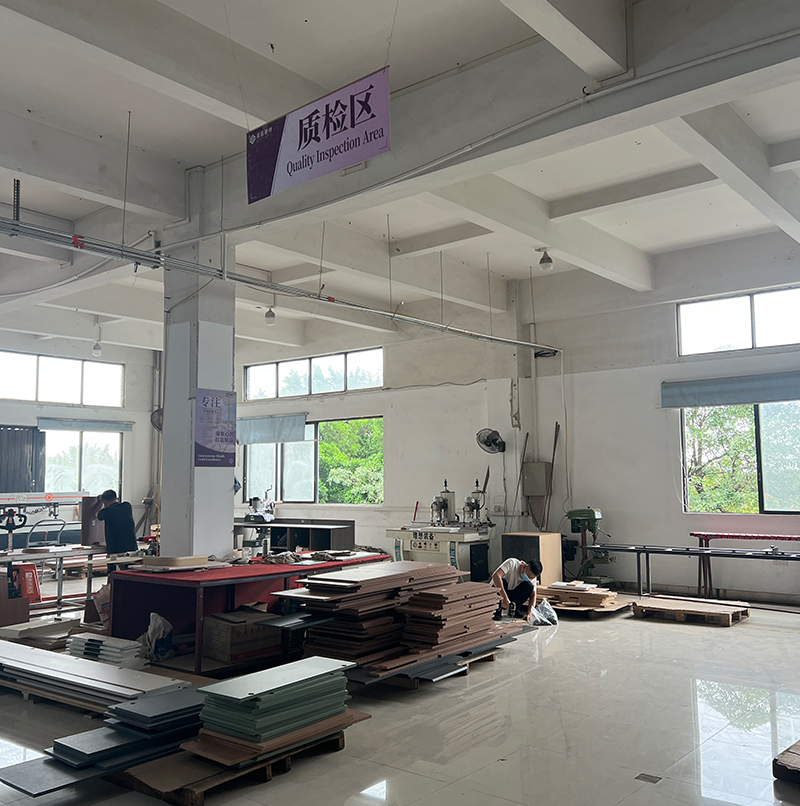
Using verified export-grade materials ensures that bulk shipments remain structurally intact. For example, professional suppliers utilize raw materials that undergo rigorous physical and mechanical performance testing alongside structural safety inspections. Utilizing certified packaging configurations ensures that custom building materials arrive at African ports, including Mombasa, Dar es Salaam, and Douala, without warping or surface deterioration.
Data/Solution Comparison
| Packaging Layer | Material Options | Primary Protection Function | Risk Mitigated |
|---|---|---|---|
| Inner Layer | PE Stretch Film / Anti-Static Wrap | Surface scratch prevention & dust proofing | Micro-abrasions and moisture ingress |
| Middle Layer | EPE Foam / Bubble Wrap (Min. 10mm) | Impact absorption and vibration dampening | Structural bruising from transit shocks |
| Corner Guard | Molded Cardboard / High-Density Foam | Edge and corner reinforcement | Chipping and deformation from drops |
| Outer Layer | 5-Ply Corrugated Box / Wooden Crates | Rigid structural containment | Crushing under high-stacking pressure |
Frequently Asked Questions (FAQ)
Q1: How do environmental factors like humidity affect bulk door packaging?
A1: High humidity during sea transit can cause wooden components to swell or warp. Sealed PE wrapping combined with industrial-grade desiccants inside the packaging barrier is essential to stabilize the internal micro-environment.
Q2: Is wood crating always necessary for bulk door shipments?
A2: While heavy-duty corrugated cartons suffice for standard handling, reinforced wooden crates or pallets are highly recommended for bulk consolidated shipments to prevent damage from forklift tines and shifting cargo container loads.
Q3: How are custom-sized doors protected during bulk loading?
A3: Custom-sized doors require tailored packaging dimensions to eliminate internal movement. Internal foam blocking is used to fill voids within the outer crate, ensuring the product remains immobile during transit.
Final Conclusion & Recommendations
Securing high-end doors for bulk export requires a systematic approach to packaging materials and container loading configurations. Standardizing on high-strength protective profiles and structured wrapping protocols minimizes transit-related damage and guarantees successful installation acceptance at the destination site. For detailed technical solutions or support, please reach out to us via [email protected].
About Us
Guangzhou Lingyin Building Materials Co., Ltd. is a leading large-scale modern group enterprise in South China specializing in the export of system windows, doors, and whole-house customization. Established in 1990, the company houses 186 employees and operates a 30,000-square-meter modern intelligent production base with annual sales reaching 200 million RMB. Lingyin Building Materials has served clients across multiple industries, delivering reliable building materials to various residential, hotel, and commercial projects in Africa. Our kitchen cabinets and aluminum windows hold CE (CTL1406031238-ENC) and RoHS (CTL1406031237-RC) certifications, ensuring compliance with international quality and safety standards.
Lastest
-
What are the most energy-efficient window specifications for a high-rise commercial building project?
2026-07-13 -
What is the best way to verify if a handrail supplier is a real factory or just a trading company?
2026-07-13 -
Is a 30% deposit and 70% against the bill of lading standard for ordering a custom sunroom?
2026-07-13 -
Can I get a small mockup sample of a glass curtain wall before placing a bulk order?
2026-07-13 -
Are manufacturers willing to customize the size and smart lock cutouts for a commercial door?
2026-07-13
SUBSCRIBE
INQUIRY