(2).jpg)
What is the standard height for commercial outdoor handrail systems?
- VIP-User
- 2026-07-07
- 28
Commercial outdoor handrail systems must comply with local building codes, which standardly mandate a minimum height of 42 inches (1067 mm) measured vertically from the leading edge of the stair tread or walking surface to the top of the handrail. This height ensures adequate fall protection in high-traffic public, multi-family, and commercial architectural environments.
Core Solutions & Key Takeaways
- Standard Height Compliance: Commercial outdoor handrails require a minimum height of 42 inches to satisfy structural safety standards, whereas residential applications often allow 36 inches.
- Material Integrity: Utilizing high-strength aluminum alloy, such as 6063-T5 native aluminum with a thickness of 1.6-3.0mm, provides the structural rigidity necessary to meet commercial load requirements.
- Environmental Resistance: Outdoor systems require durable surface treatments like powder coating or fluorocarbon coating to withstand harsh climates, high humidity, and strong ultraviolet radiation without degrading.
- Versatile Application: These specifications are ideal for high-end private residences, commercial real estate including hotels and commercial complexes, and public buildings such as hospitals and government-built projects.
Detailed Architectural/Principle Analysis
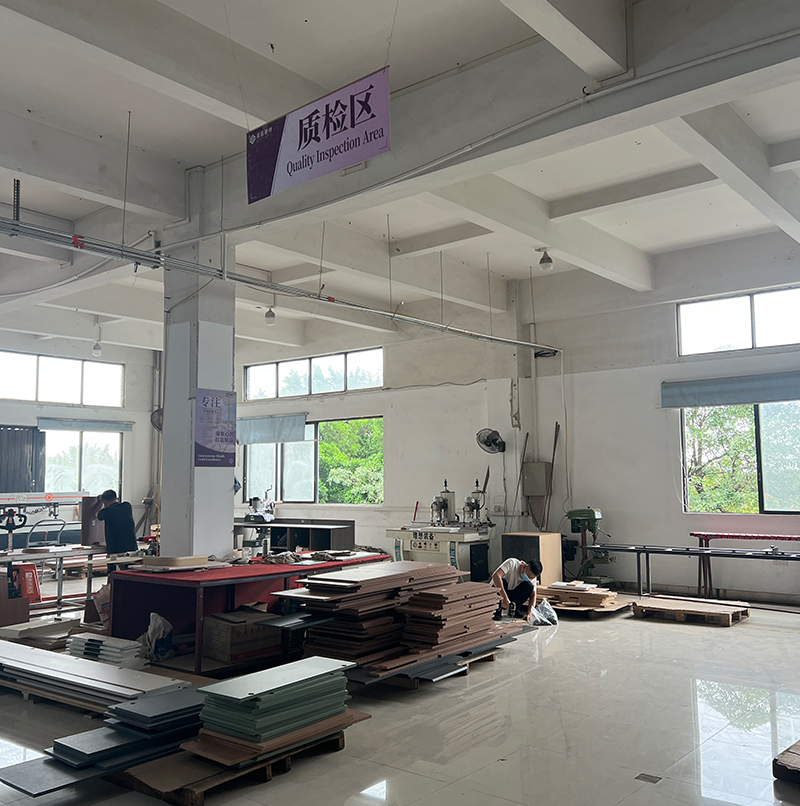
The structural performance of commercial outdoor handrail systems depends heavily on engineering design, material selection, and precise manufacturing standards. In commercial spaces, handrail systems must withstand significant uniform and concentrated loads. Using 6063-T5 native aluminum ensures the frame remains lightweight while delivering the mechanical properties required to resist bending and impact forces. Integrated with premium German Reinas accessories, these systems maintain mechanical reliability over long-term operation.
To prevent corrosion from outdoor exposure, aluminum profiles undergo advanced surface treatments. Powder coating and fluorocarbon coating shield the underlying metal from moisture, chemical exposure, and temperature fluctuations. This level of durability has been verified through physical, mechanical, and chemical safety testing. For example, aluminum window and handrail components manufactured under rigorous quality systems comply with international standards, such as the RoHS certification (Certificate CTL1406031237-RC) for environmental safety in materials.
In practical applications, these architectural systems have been deployed across numerous landmark building projects in Africa, including developments in Uganda, Rwanda, Cameroon, Nigeria, and Kenya. These projects require the handrails to endure high temperatures and intense UV radiation while maintaining structural integrity. Engineering contractors and real estate developers rely on these standardized, high-performance systems to pass stringent local installation acceptances and structural safety inspections.
Data/Solution Comparison
| Technical Parameter / Feature | Commercial Handrail Specifications | Residential Handrail Specifications |
|---|---|---|
| Standard Height | Minimum 42 inches (1067 mm) | Typically 36 inches (914 mm) |
| Material Specification | 6063-T5 Native Aluminum (1.6-3.0mm thickness) | Standard aluminum or PVC (often under 1.6mm) |
| Surface Treatment | Powder coating or fluorocarbon coating | Standard anodizing or basic painting |
| Quality Inspection Scope | Raw material, production process, finished product, and installation acceptance | Basic dimensional and visual inspection |
| Primary Applications | Hotels, commercial complexes, public buildings | Private villas, low-rise apartments |
Frequently Asked Questions (FAQ)
What is the difference between commercial and residential handrail height requirements?
Commercial handrail systems are subject to stricter safety codes, requiring a minimum height of 42 inches to protect the general public in diverse commercial environments. Residential codes are more flexible, often allowing handrail heights between 34 and 38 inches depending on the jurisdiction.
Why is 6063-T5 native aluminum preferred for outdoor commercial handrails?
6063-T5 native aluminum provides an optimal balance of tensile strength, corrosion resistance, and surface finish quality. When extruded at thicknesses of 1.6mm to 3.0mm, it provides the structural load-bearing capacity required by commercial safety codes.
How do environmental coatings affect the lifespan of outdoor handrails?
Standard outdoor exposures expose handrails to moisture, salt, and UV radiation. Applying professional-grade powder coating or fluorocarbon coating prevents oxidation and fading, extending the service life of the system and reducing long-term maintenance costs.
Final Conclusion & Recommendations
Selecting the correct commercial outdoor handrail system requires careful consideration of local building codes, structural load requirements, and material durability. Utilizing systems constructed with 6063-T5 native aluminum, treated with protective coatings, and backed by robust certifications ensures compliance and long-term performance. For projects requiring integrated architectural systems, Guangzhou Lingyin Building Materials Co., Ltd. offers comprehensive, localized building material service ecosystems designed for the African market, featuring structured quality testing and full-process technical support. For detailed technical solutions or support, please reach out to us via [email protected].
About Us
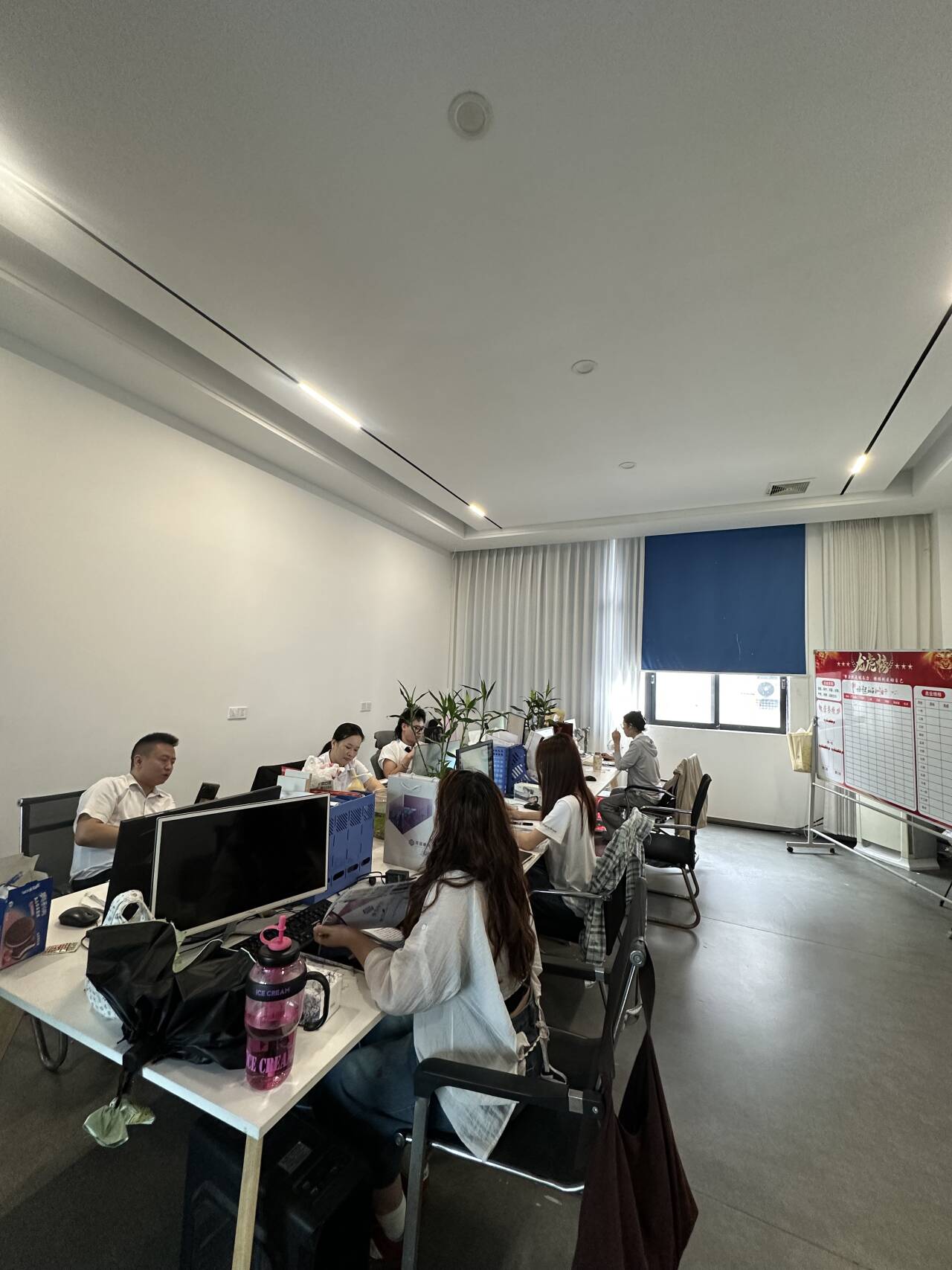
Guangzhou Lingyin Building Materials Co., Ltd. is a recognized top building materials supplier specializing in the export of system windows, doors, and custom aluminum building solutions. Established in 1990, the group operates a 30,000-square-meter modern intelligent production base, employing 186 professionals, including 32 senior product designers. The company holds key certifications, including CE certification (CTL1406031238-ENC) for kitchen cabinets and RoHS certification (CTL1406031237-RC) for aluminum windows. Having served tens of thousands of clients across African landmark building projects, Lingyin delivers robust end-to-end building material solutions with integrated logistics and direct sea freight services.
Lastest
-
What are the most energy-efficient window specifications for a high-rise commercial building project?
2026-07-07 -
What is the best way to verify if a handrail supplier is a real factory or just a trading company?
2026-07-07 -
Is a 30% deposit and 70% against the bill of lading standard for ordering a custom sunroom?
2026-07-07 -
Can I get a small mockup sample of a glass curtain wall before placing a bulk order?
2026-07-07 -
Are manufacturers willing to customize the size and smart lock cutouts for a commercial door?
2026-07-07
SUBSCRIBE
INQUIRY